




























Cookies help us deliver our services. By using our services, you agree to our use of cookies.
Filter
Filter by price
Filter by manufacturer
Luggage
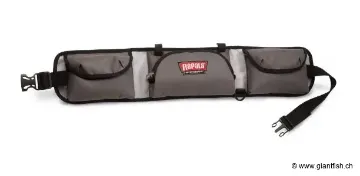
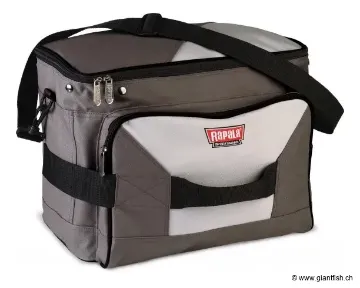
Rapala Sportsman's 31 Tackle Bag 31 L
Sac Rapala Sportsman's 31 Tackle Bag 31 L
29.95 (CHF) incl tax
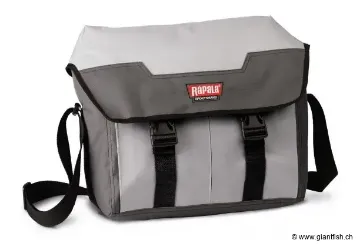
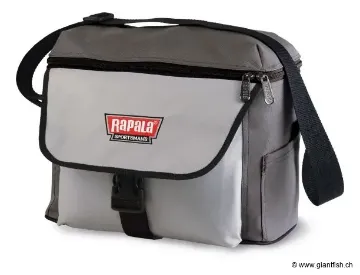
Rapala Sportsman's 12 Shoulder Bag 12 L
Sac Rapala Sportsman's 12 Shoulder Bag 12 L
24.95 (CHF) incl tax
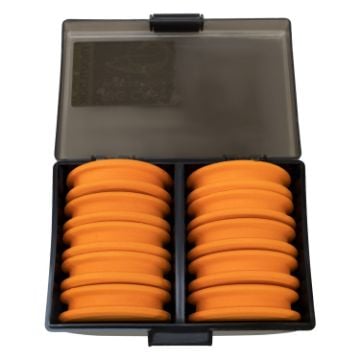
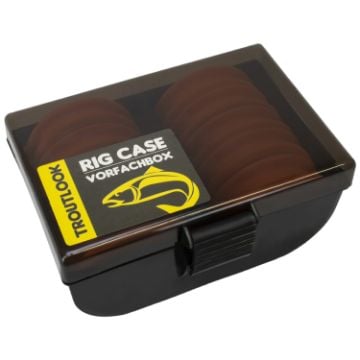
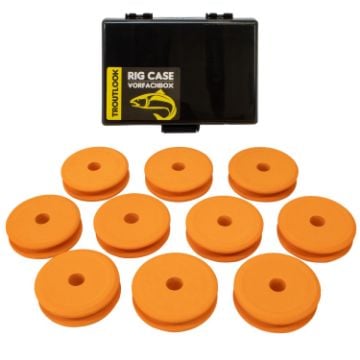
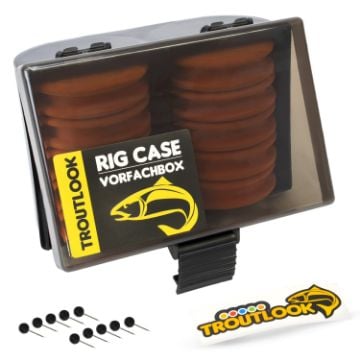
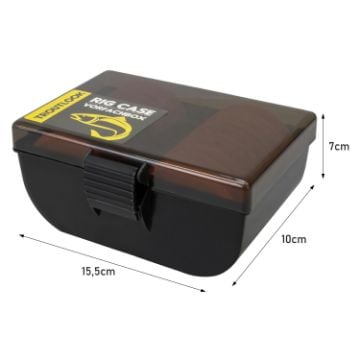
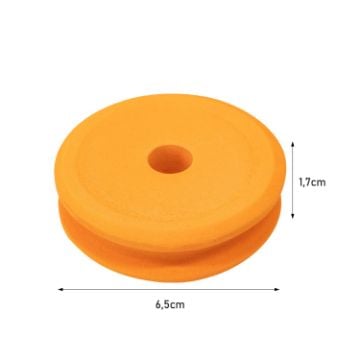
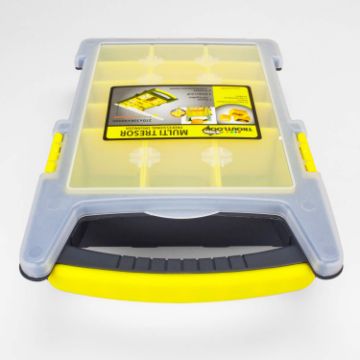
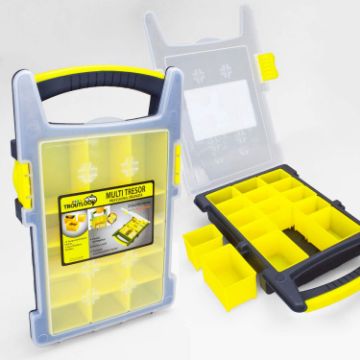
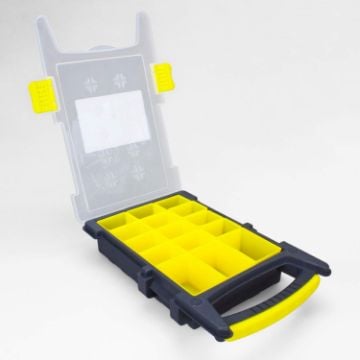
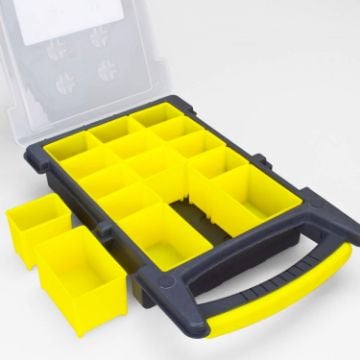
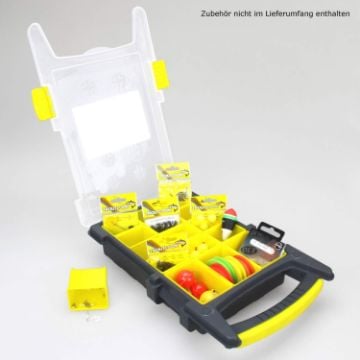
Troutlook Rig Storage Box 155 x 105 x 70 mm
Boîte de bobines d'avant-train de Troutlook
9.75 (CHF) incl tax
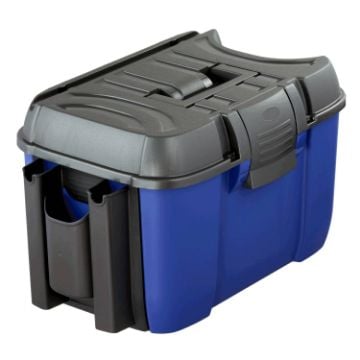
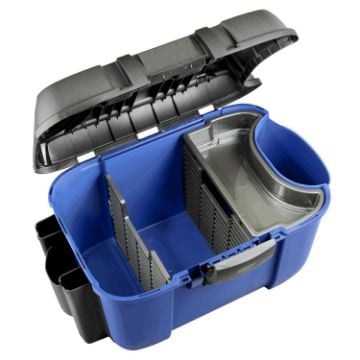
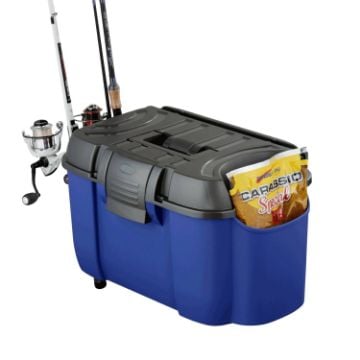
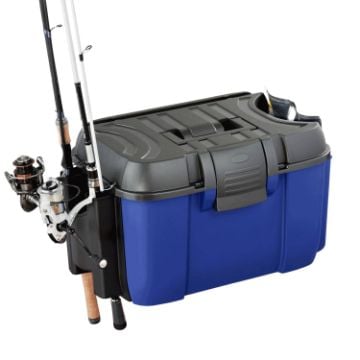
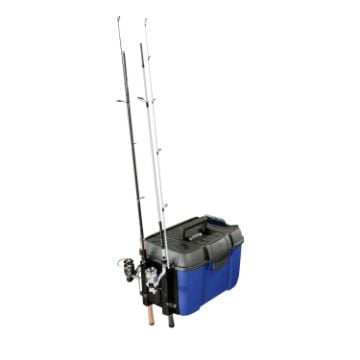
Troutlook Spinbuddy Fishing Box, Blue/Grey - 52.5 x 34 x 30 cm
Le grand coffret de pêche Spinbuddy - un coffret pour tout
48.60 (CHF) incl tax
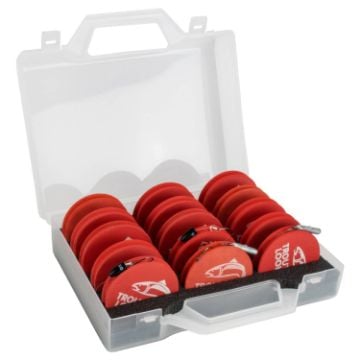
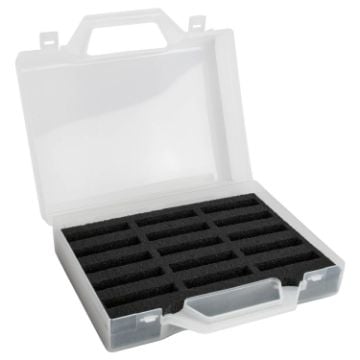
Troutlook Smart Rig Case for 15 Leader Winders, Clear - 24 x 18 x 7.5 cm
Boîte de bobines de bas de ligne Troutlook
6.80 (CHF) incl tax
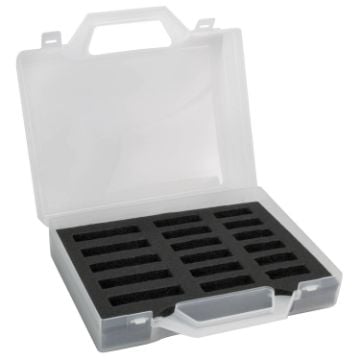
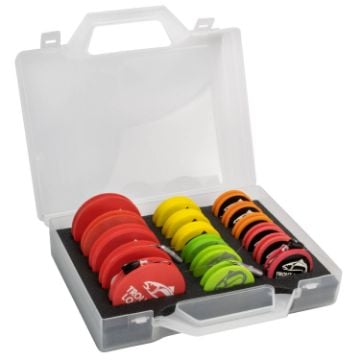
Troutlook Smart Rig Case for 17 Leader Winders, Clear - 24 x 18 x 7.5 cm
Boîte à bobines de bas de ligne de Troutlook
6.80 (CHF) incl tax
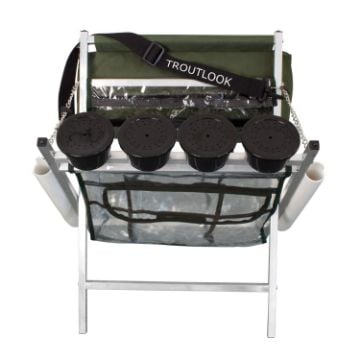
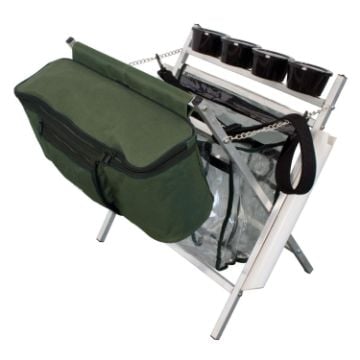
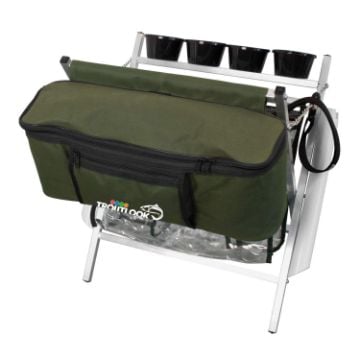
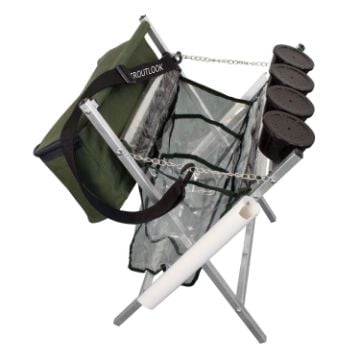
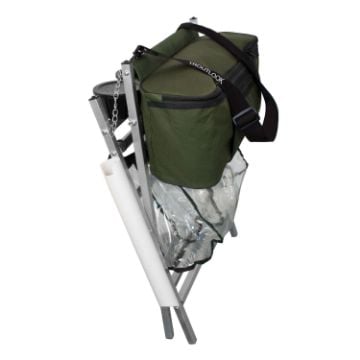
Troutlook Trout Tray (Trout Fishing Accessory Holder)
Plateau à truites Troutlook, pliable
38.90 (CHF) incl tax
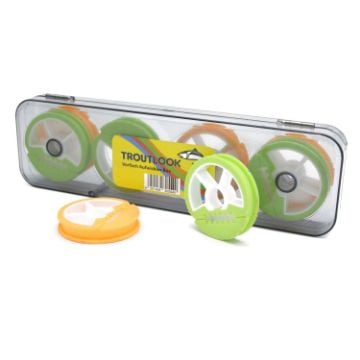
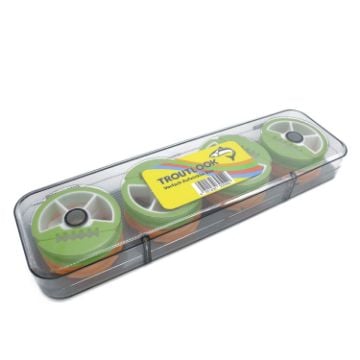
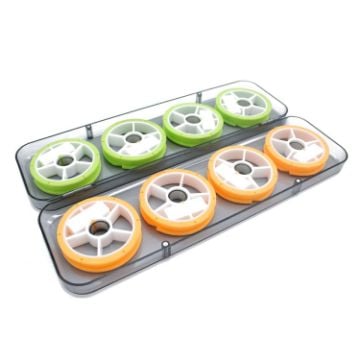
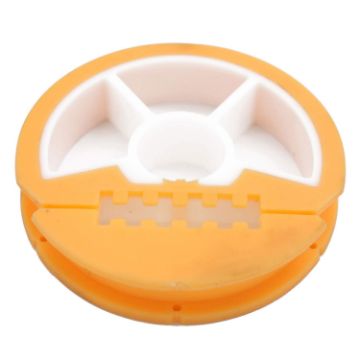
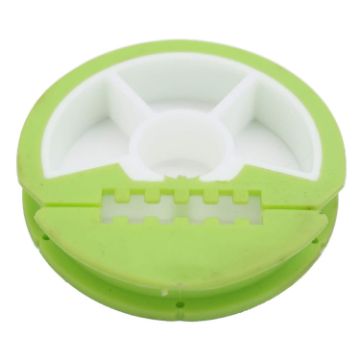
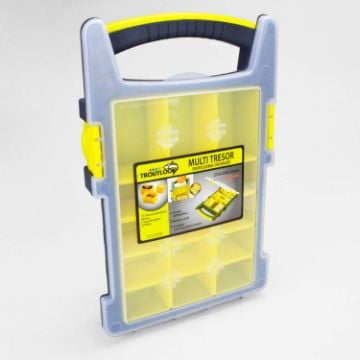
Troutlook Leader Winder Box
Boîte d'enroulement Troutlook Profi Tremarella avec 12 coussinets de montage en silicone
9.75 (CHF) incl tax
- 1
- 2
Dedicated trout fishing bags are essential to stay mobile, organized and efficient on the water. Between fast rivers, small creeks and lakes, every trip means carrying a minimum amount of gear while keeping your hands free. A well-designed bag protects your boxes, reels and accessories, and lets you focus on your drift or lure presentation.
How to choose trout fishing bags and storage
Your trout fishing luggage should match your technique and how long you stay on the water. For quick river sessions, a compact sling bag or chest pack is often enough to carry a few lure boxes, a spool of leader and a couple of tools. For full days out, a larger fishing backpack lets you add food, rain gear and extra tackle while spreading the weight more comfortably.
Think about your freedom of movement as well: when wading, a bag that doesn’t interfere with casting or moving through the water is essential. Models with a waist belt, adjustable straps and a breathable back panel offer a good balance of stability, comfort and ventilation.
Types of trout fishing bags and storage solutions
An effective trout storage system combines several complementary options. Depending on your needs, you can build your setup with different types of bags and pouches.
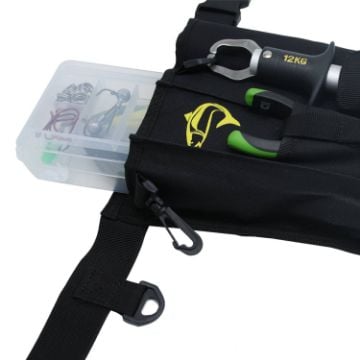
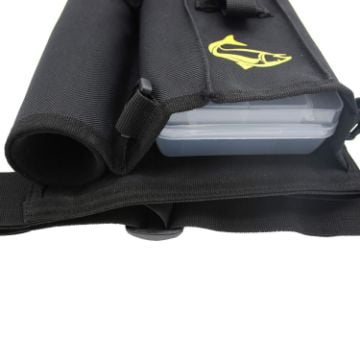
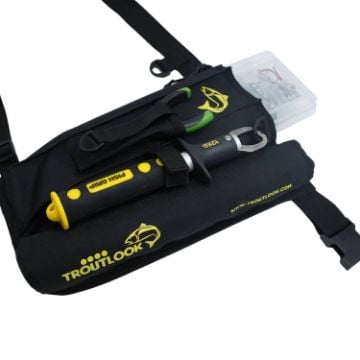
- Sling bags: ideal for covering water on foot, with quick access to boxes and pliers.
- Chest packs and vests: perfect for wading, keeping all essentials close at hand on your chest.
- Fishing backpacks: to carry more tackle, extra clothing and a drink without cluttering the front of your body.
- Waterproof pouches and wading bags: protect sensitive items such as your phone, documents and fragile accessories.
- Rod and reel cases: secure rods, reels and spare spools during transport.
Combining these different storage options lets you prepare setups tailored to each spot and season.
Gear organization and practical tips
Even the best bag is useless without clear organization. Group your trout lures by type (hard baits, spinners, soft plastics) and size in separate boxes. Place the boxes you use most often in external pockets for instant access. Always keep key tools in the same place: pliers, line cutter, disgorger, bottles of scent or floatant.
To save time on the water, pre-rig a few leaders and store them in a small pouch or dedicated box. Reserve one area of your bag for consumables (hooks, snaps, jig heads) so you can quickly adapt to changing conditions, water levels or trout activity.
Seasons, comfort and gear protection
Your bag and storage needs change with the seasons. In spring and summer, favor lightweight, breathable bags made from quick-drying materials after wading. In winter or wet weather, waterproofing and thermal protection become a priority: look for a bag with a reinforced bottom, protected zippers and waterproof pockets.
To extend the life of your gear, always dry your bag thoroughly after each trip and clean the zippers regularly. Quality fishing luggage, properly maintained, will protect your lures, rigs and accessories and follow you through many trout fishing seasons.
Trout fishing luggage FAQ
What type of bag should I use for trout in rivers?
On most rivers, a sling bag or chest pack offers the best balance between capacity and freedom of movement. Add a small backpack if you’re planning a full day with extra gear.
What capacity do I need for a short trout fishing session?
For 2 to 3 hours of fishing, a 5 to 10 liter bag is usually enough: space for a few lure boxes, a spool of leader, a line cutter, pliers and a small water bottle.
How can I protect my gear from rain and impacts?
Choose bags with a reinforced bottom and waterproof pockets for sensitive items. Use internal waterproof pouches for your phone and documents, and rigid boxes for lures to reduce impacts and corrosion.