




























Cookies help us deliver our services. By using our services, you agree to our use of cookies.
Filter
Filter by price
Filter by manufacturer
Recently viewed products
Reels
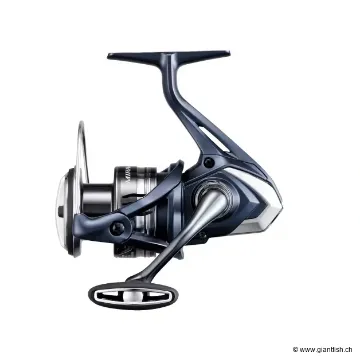
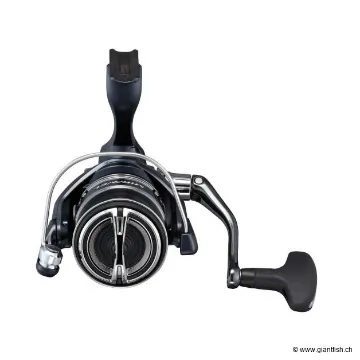
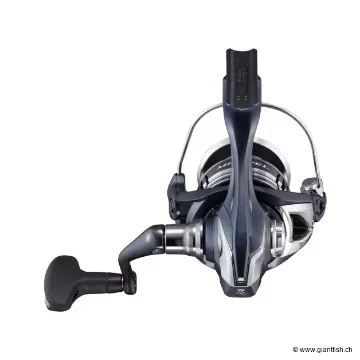
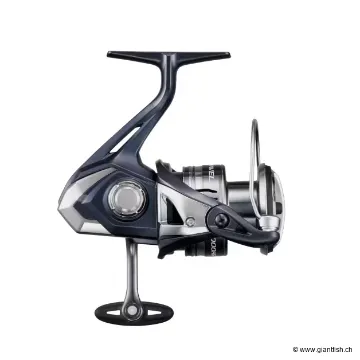
Shimano Miravel Reel
The Shimano Miravel, the most affordable spinning reel in the Magnumlite series, combines lightness, smooth rotation, and advanced technologies. Its sleek design, ultra-lightweight CI4+ body, and sophisticated performance make it a perfect choice for discerning anglers, all at an accessible price.
129.90 (CHF) incl tax
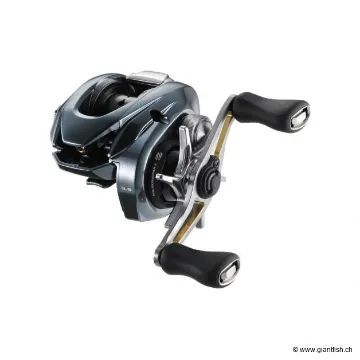
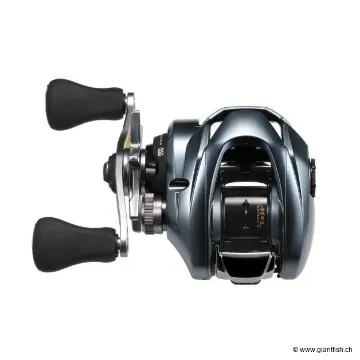
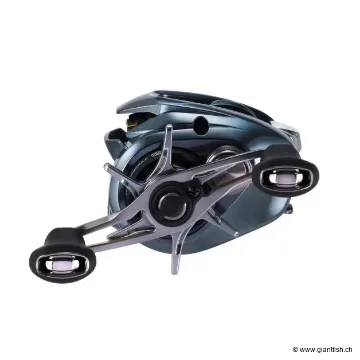
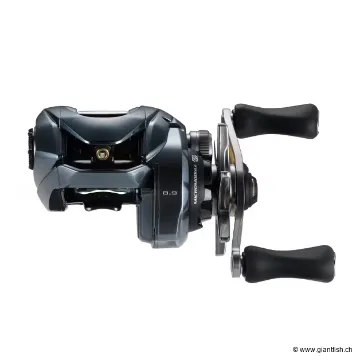
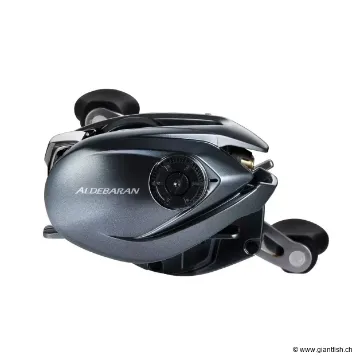
Shimano ALDEBARAN BFS Casting Reel
The Aldebaran BFS, Shimano's most advanced bait finesse casting reel, is designed for demanding anglers. With its FTB (Finesse Tune Braking) system and ultra-light MGL III spool, it offers smooth and precise casts even with lures weighing less than 1g, making it perfect for finesse fishing for trout, perch, and other lightweight species.
489.00 (CHF) incl tax
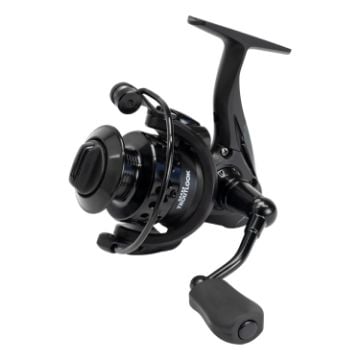
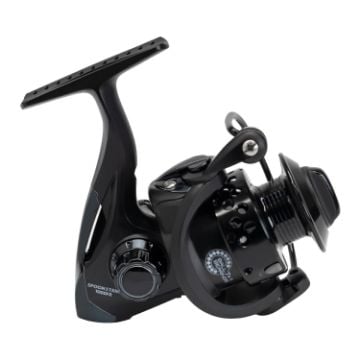
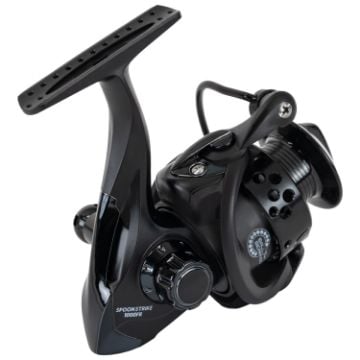
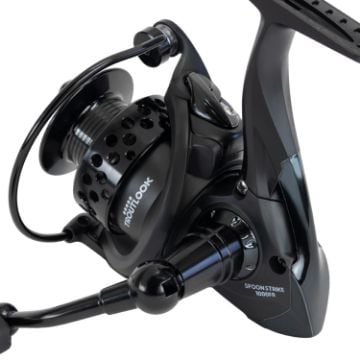
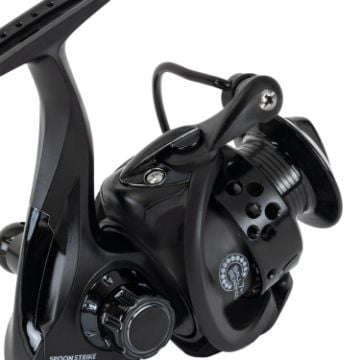
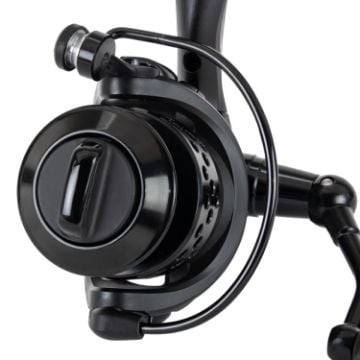
Troutlook Spoon Strike 1000FR Reel
Moulinet à lancers légers avec un design compact - Spoon Strike 1000 de Troutlook
34.05 (CHF) incl tax
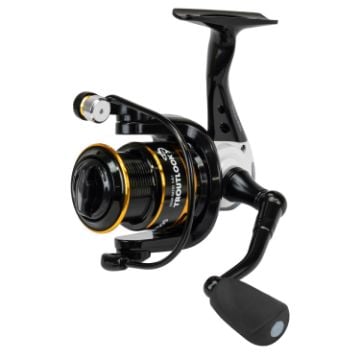
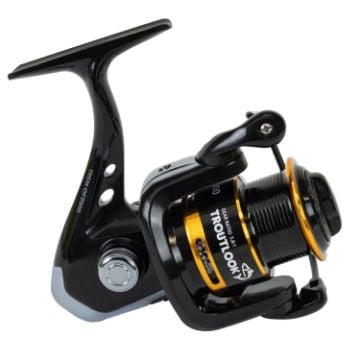
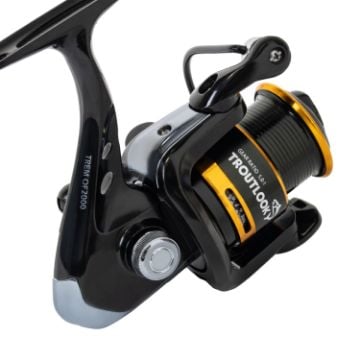
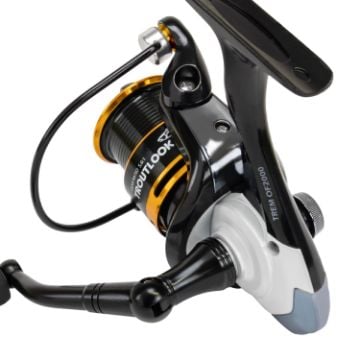
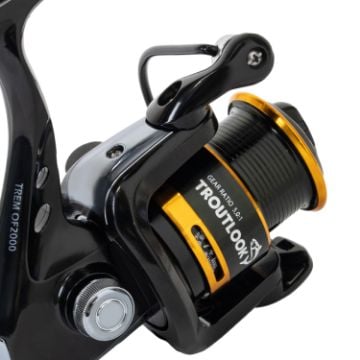
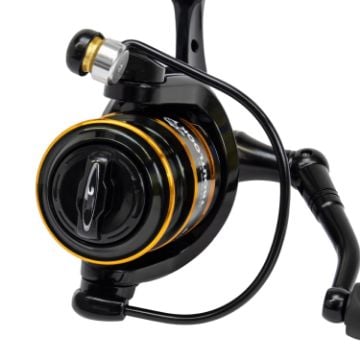
Troutlook Trem OF2000 Reel
Moulinet à tambour fixe pour la pêche de la truite au design compact - Trem OF2000 de Troutlook
38.90 (CHF) incl tax
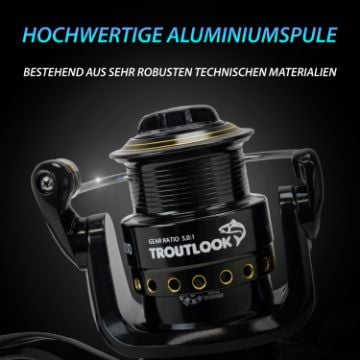
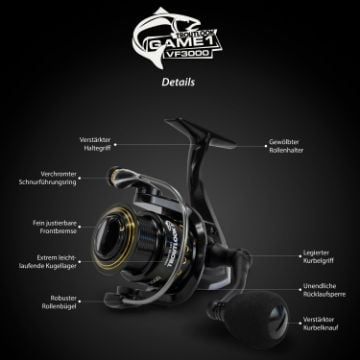
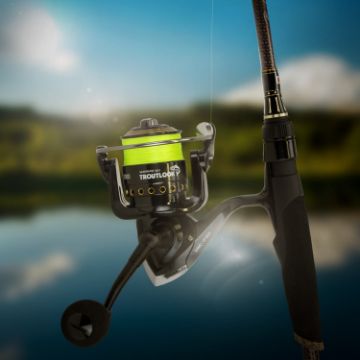
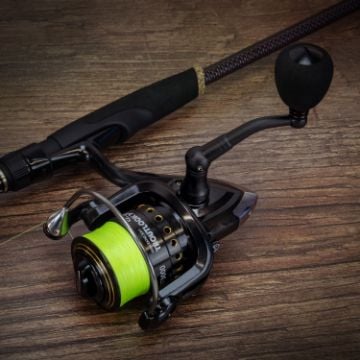
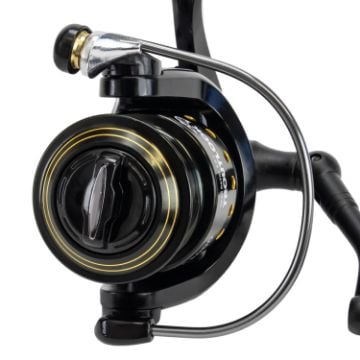
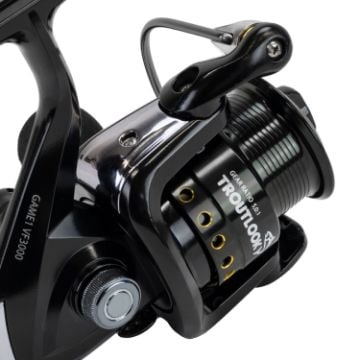
Troutlook Game1 VF3000 Reel
Jouez avec les truites avec le moulinet Game1 VF3000 de Troutlook
43.75 (CHF) incl tax
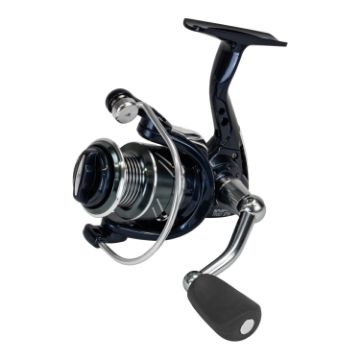
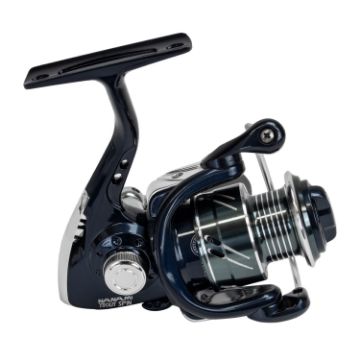
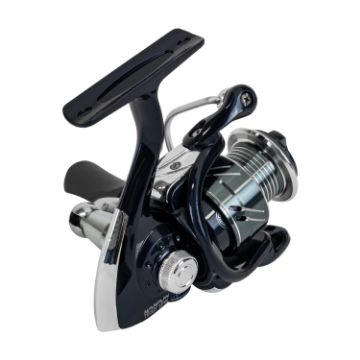
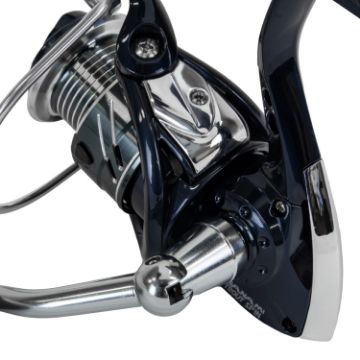
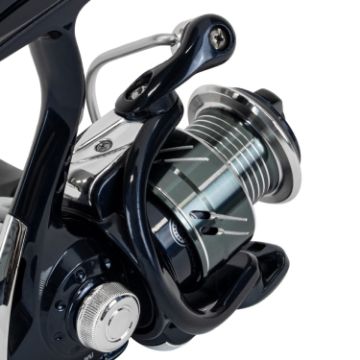
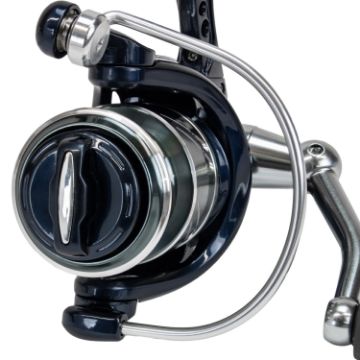
Troutlook Nanami Trout Spin Reel
Moulinet ultra-léger au design compact - Nanami Trout Spin de Troutlook
27.25 (CHF) incl tax
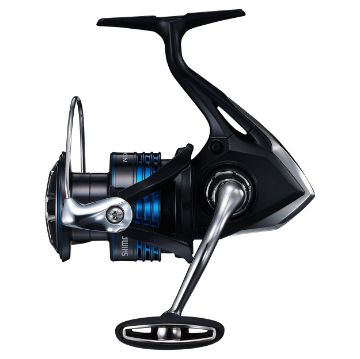
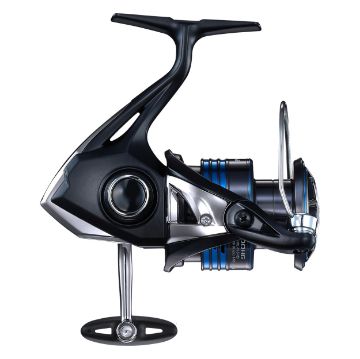
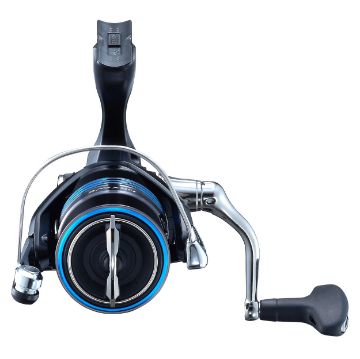
Shimano Nexave FI 4000 Spinning Reel
Son petit prix le rend abordable pour les pêcheurs débutants qui souhaitent bénéficier de la qualité Shimano.
69.00 (CHF) incl tax
55.00 (CHF) incl tax
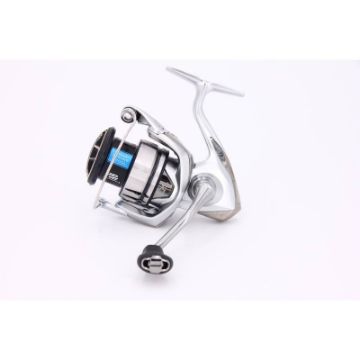
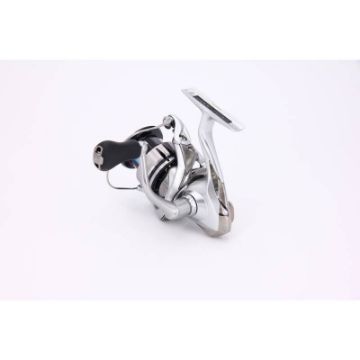
Shimano Stradic FL 1000 Spinning Reel
Ce moulinet est le choix idéal pour pêcher en mer à proximité de la côte. Grâce aux différents modèles, taille et ratio, il y a forcément un STRADIC au sein de la gamme pour chaque pêcheur.
249.00 (CHF) incl tax
219.00 (CHF) incl tax
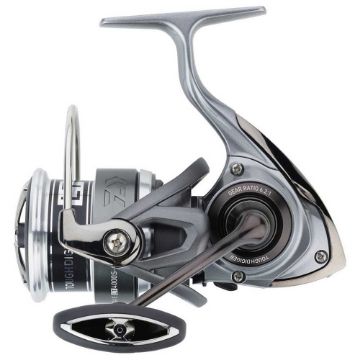
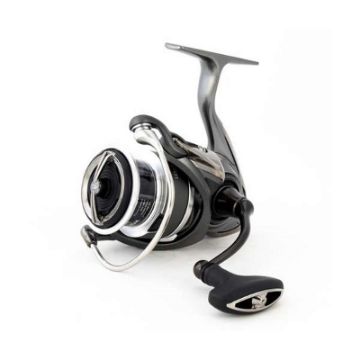
Daiwa 19 Lexa E LT 3000-C Spinning Reel
Moulinet de pêche DAIWA LEXA E LT 3000-C
189.00 (CHF) incl tax
159.00 (CHF) incl tax
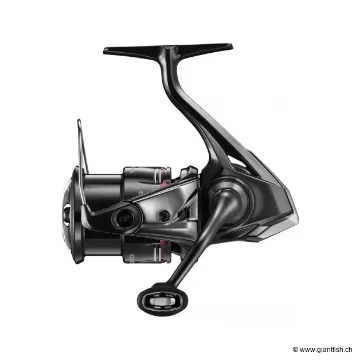
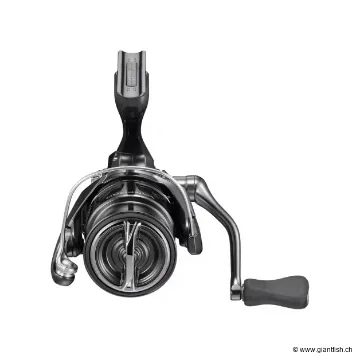
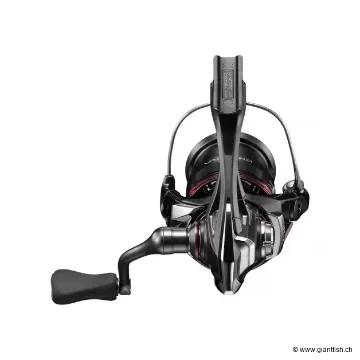
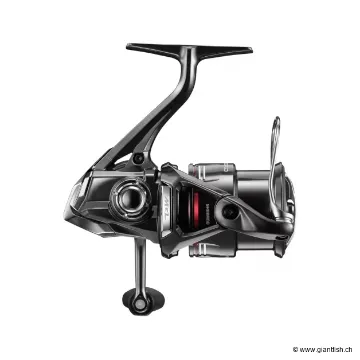
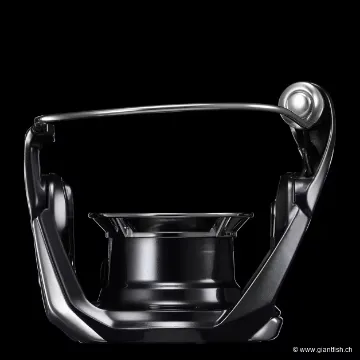
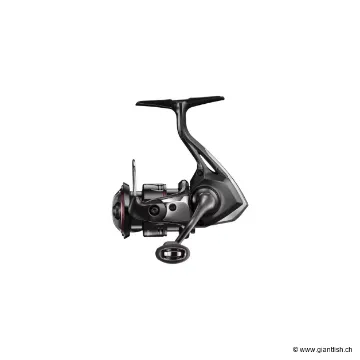
Reel Shimano VANFORD
The Shimano Vanford is an ultra-sensitive spinning reel, perfect for finesse fishing. Lightweight, smooth, and high-performing, it combines advanced technologies like the MGL rotor and Duracross drag for optimal control. A benchmark for precision enthusiasts.
249.00 (CHF) incl tax
Choosing the right reel for trout fishing
Trout reels need to be precise, lightweight, and perfectly balanced with your rod. For finesse techniques, anglers generally favor reel sizes between 1000 and 2500, which offer good line capacity while staying highly maneuverable. A well-matched reel reduces wrist fatigue and lets you cast accurately, even with very light lures.
Depending on your fishing style, you can opt for a finesse-oriented reel with a light rotor and smooth retrieve, or for a more robust model capable of handling repeated fights with strong trout in fast rivers or deep lakes.
Drag, gear ratio, and retrieve for better hooksets
The drag system is a key component of any trout reel. A smooth, progressive front drag helps absorb sudden runs, especially when you fish with light line. Make sure you choose a drag that is precise enough to prevent fish from coming unhooked while still protecting your leader.
Gear ratio and retrieve speed directly influence how you work your lures. A medium gear ratio, around 5.0:1 to 6.2:1, suits most situations. In torrents or small rivers, a faster retrieve helps you keep control in strong current. In lakes or large rivers, a more moderate ratio makes it easier to work soft baits or crankbaits with slow, natural presentations.
Trout reels by fishing technique
- Ultralight fishing: perfect for small creeks and pressured, wary trout. A very light reel paired with an UL rod lets you cast micro lures and feel the slightest bite.
- Spoons and hardbaits: choose a reel that offers a smooth, consistent retrieve. Good line tension management optimizes the action of inline spinners and keeps your hardbaits running stable.
- Bombarda and lake fishing: a slightly larger reel with a deeper spool makes long-distance casting easier and helps you control long leaders.
By matching the reel type to your technique, you gain comfort, accuracy, and efficiency on every spot you fish.
Maintenance and longevity of your trout reels
To keep your trout reels performing season after season, regular maintenance is essential. After each trip, especially in slightly dirty water, wipe down the reel body and check the line roller. Light, periodic lubrication of moving parts extends the reel's lifespan and maintains a smooth rotation.
Store your reels in a dry place with the drag loosened to protect the drag washers. Also check the condition of your line and don't hesitate to replace it at the first signs of wear to avoid unexpected break-offs when setting the hook.
Trout reel FAQ
Q: What reel size should I choose for trout in rivers? A: For most rivers, a 1000 to 2000 size is enough. On large rivers or where more powerful fish are present, a 2500 size offers extra line capacity.
Q: Can I use the same trout reel in both lakes and rivers? A: Yes, as long as you choose a versatile, mid-size reel with a reliable drag and a retrieve that is neither too slow nor too fast.
Q: Should I use braided line or mono for trout? A: Monofilament remains very popular for its discreteness and stretch. Braid offers more sensitivity, but it should be paired with a fluorocarbon leader for added stealth.