
























Cookies help us deliver our services. By using our services, you agree to our use of cookies.
Filter
Filter by price
Filter by manufacturer
Waders and Hip Boots

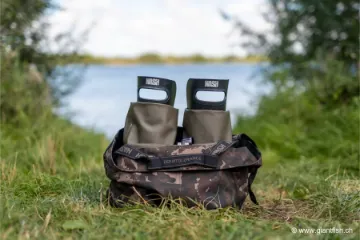
FOX Camolite Wader Boot Bag
FOX Camolite bag designed for transporting and storing wading boots/shoes: protects your gear and isolates moisture after fishing.
25.25 (CHF) incl tax

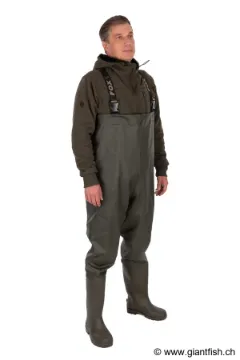


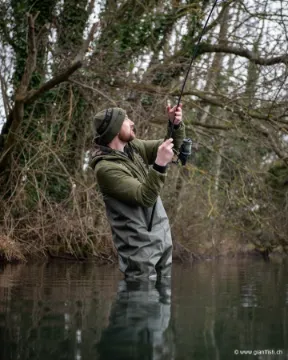

FOX HD PVC Waders - Khaki
FOX fishing waders designed for fishing in the water and staying protected during sessions in rivers, ponds, or wetland areas. A practical solution for wading and shoreline approaches, with a robust, field-ready design.
58.90 (CHF) incl tax
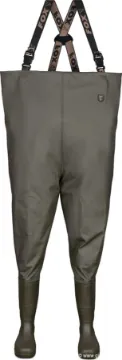
Fox PVC HD XL Waders
Fox fishing waders designed for wading, ideal for staying dry and protected during your sessions by the water. A rugged solution for river, lake, or pond fishing, built for mobility, comfort, and durability in wet conditions.
67.35 (CHF) incl tax


FOX Lightweight Lined Waders - Camo
Fox LW Lined Waders fishing waders: lightweight lined waders designed for wading, mobility, and comfort at the water’s edge, for both short and extended sessions.
92.60 (CHF) incl tax

FOX Lightweight Lined Waders - Khaki
FOX LW Lined fishing waders: lightweight, lined waders designed to help you stay dry and comfortable during wading sessions, along the bank, or in the river.
67.35 (CHF) incl tax
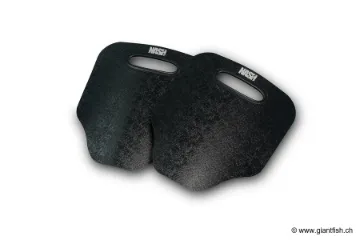
NASH Zero Tolerance Wader Horn Donning System
NASH Zero Tolerance Wader Horn accessory for fast, secure wader donning — ideal for carp fishing and all your waterside outings.
10.10 (CHF) incl tax
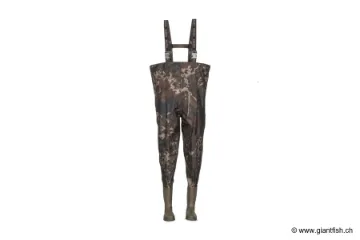
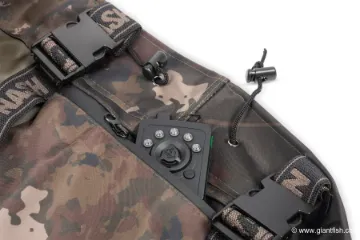
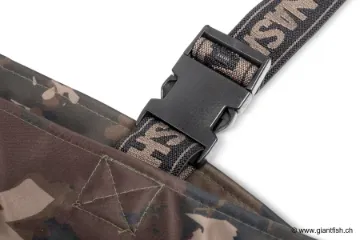
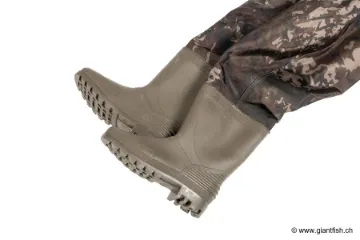

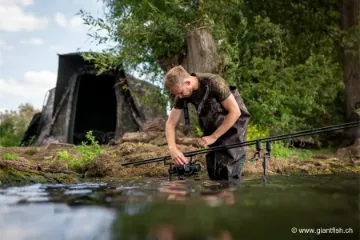
Waders PVC NASH ZT HD
NASH ZT HD fishing waders designed to provide full protection, great freedom of movement and a roomy chest cut—ideal for carp fishing and any situation requiring long periods in the water or at the water’s edge.
101.05 (CHF) incl tax
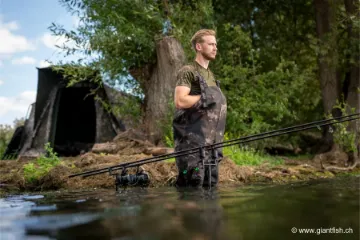
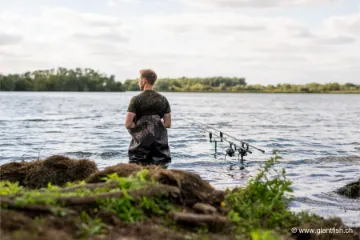
NASH ZT HD PVC Waders
Durable NASH ZT HD fishing waders in laminated PVC, designed for demanding carp anglers. They provide full chest protection and fast, hassle-free donning thanks to an innovative internal boot system.
101.05 (CHF) incl tax


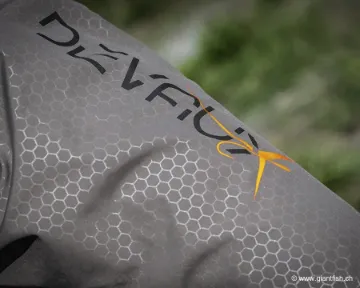
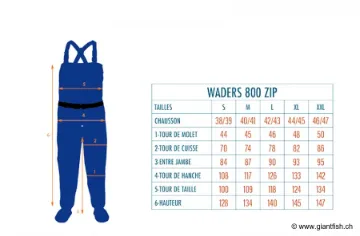
Devaux ZIP 800 Breathable Stocking Waders
Devaux WADERS ZIP 800: innovative breathable waders, optimal comfort and protection for demanding anglers.
453.30 (CHF) incl tax
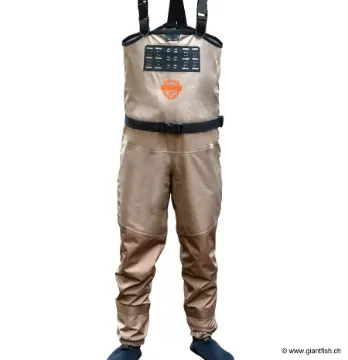
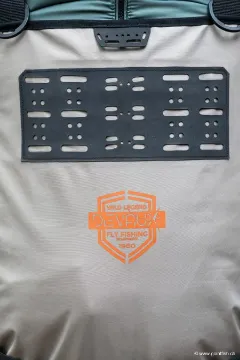
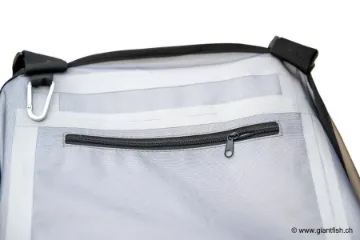
Devaux DVX 200 Breathable Stocking Waders
Devaux WADERS 200: innovative breathable waders for demanding anglers, offering comfort, durability and advanced technologies.
226.20 (CHF) incl tax
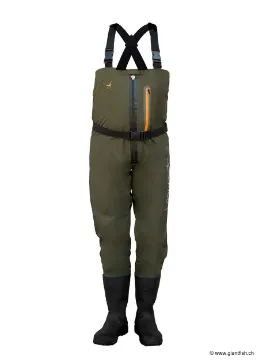
Devaux ZIP 400 BOOT Breathable Waders - Olive
Devaux ZIP 400 BOOT breathable waders for demanding anglers
353.40 (CHF) incl tax
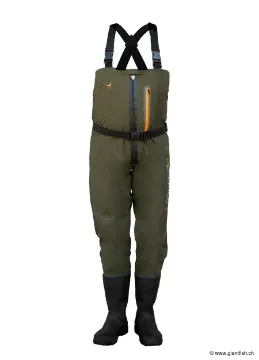
Breathable Stocking Waders Devaux DVX ZIP 400 KING SIZE - Olive
Devaux WADERS ZIP 400 KING SIZE: breathable and durable waders for discerning anglers, combining comfort and protection during long sessions on rivers or at the water's edge.
344.30 (CHF) incl tax
Why use waders and hip boots?
Waders and hip boots are essential for reaching the best fishing spots while staying dry. Whether you fish rivers, lakes, or the surf, they give you freedom of movement, thermal insulation, and protection from cold water, current, and uneven bottoms.
When properly chosen, they improve not only comfort but also the effectiveness of your presentation. The right height lets you step a little farther into the water, present your lure at the correct angle, and stay focused on your fishing for longer.
How to choose the right type of waders
The first criterion is height:
- Hip boots: ideal for shallow water, small rivers, and wet banks. Lightweight and quick to put on.
- Chest waders: better suited for deeper areas, stronger current, and techniques where you wade in farther.
Then choose the material according to how and where you fish:
- Breathable waders: perfect for walking, active fishing, and mild to warm seasons. Combine them with the right base layers.
- Neoprene waders: recommended in cold weather or very cold water. They offer better thermal insulation.
- Rubber or PVC hip boots: durable and easy to clean, practical for short sessions or bank work.
Fishing techniques and wading safety
When you’re fishing in the water, always move slowly to reduce noise and avoid stirring up the bottom. Position yourself so you can cast upstream or across the current for a natural drift of your bait or lures.
Safety should always come first: use a wading belt to limit water entry if you fall, avoid areas where you cannot see the bottom clearly, and regularly check the grip of your soles (felt, studs, or rubber soles) on slippery rocks.
Care and lifespan of your waders
To extend the life of your waders and hip boots, rinse them with fresh water after each trip, especially if you fish in brackish water. Let them dry inside out first, then right side out, away from direct heat sources.
Store them flat or lightly suspended without excessive folding to avoid stress points. Regularly inspect the seams and reinforce high-wear areas if needed. Good maintenance reduces the risk of micro-leaks and keeps your gear comfortable season after season.
Waders & Hip Boots FAQ
What size waders should I choose? For models with built-in boots, choose your usual shoe size and check the size guide for chest width and inseam length. Allow a bit of extra room for thermal base layers.
Breathable or neoprene: which is better? Breathable waders are more versatile and comfortable for walking or fishing long hours. Neoprene is best in cold water or for winter sessions where you stay relatively still.
How do I avoid condensation inside my waders? Wear technical base layers that wick moisture and adjust your clothing according to the season. Avoid cotton, which traps moisture and makes you feel cold.
Choosing the right waders for trout season opening
Comparison of breathable waders vs neoprene, hip waders vs chest waders, plus advice on sizing, soles and safety.
Read the article: Waders & hip boots – trout season opening guide →