




























Cookies help us deliver our services. By using our services, you agree to our use of cookies.
Filter
Filter by price
Filter by manufacturer
Baits & Groundbaits
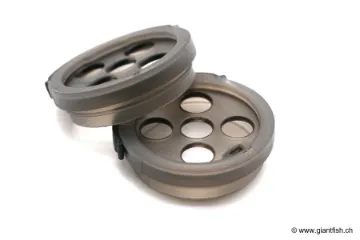
Perforated Lids Guru Sprinkle Lids
Guru Sprinkle Lids Large – Ingenious lids for bait boxes and fishing accessories, essential for facilitating baiting and secure transport of baits during your sessions.
3.65 (CHF) incl tax
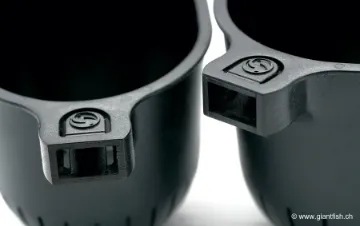
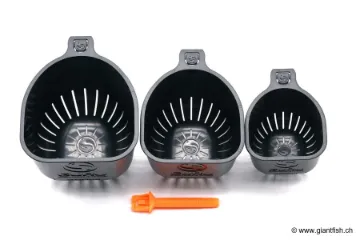
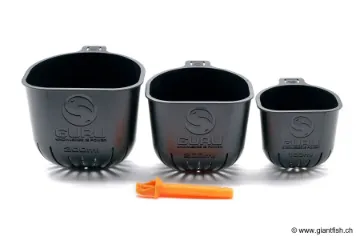
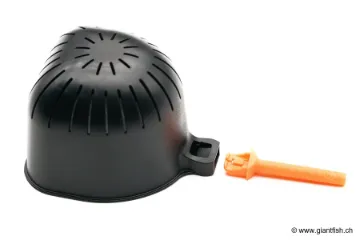
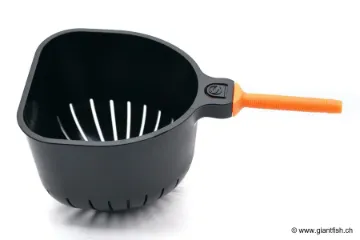
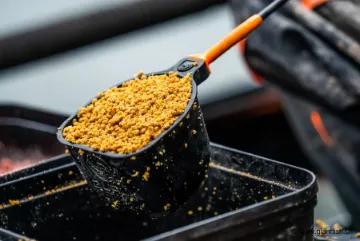
Pack Coupelles Guru Rapid Release Pole Cups
Guru Rapid Release Pole Cups, accessories for optimized float fishing, reliability, precision, ease of use for all types of bait in float fishing.
13.20 (CHF) incl tax
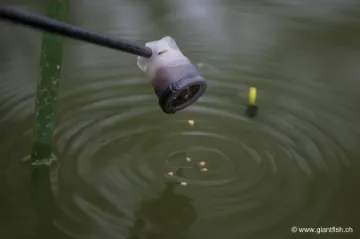
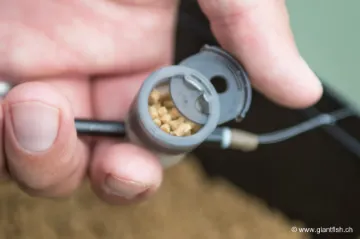
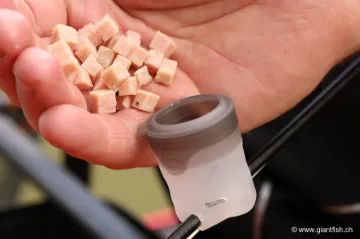
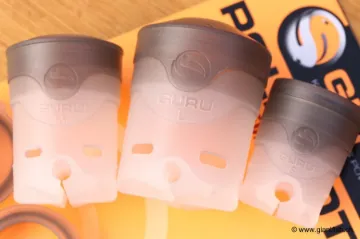
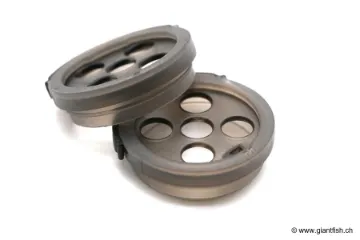
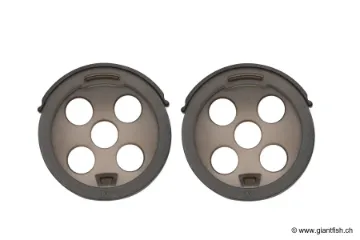
Coupelle Guru Pole Pot
Guru Pole Pot Large, large capacity bait cup – essential accessory for coarse fishing.
5.75 (CHF) incl tax
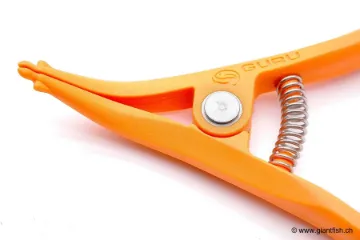
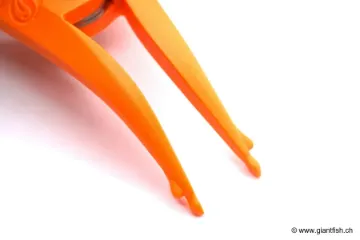
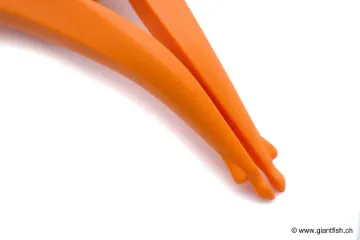
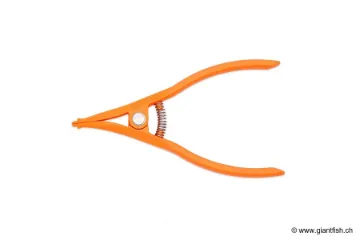
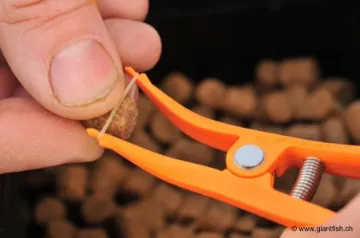
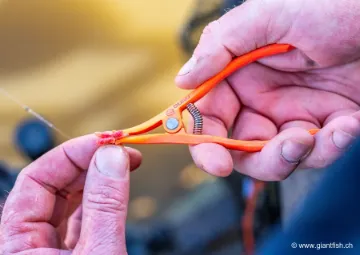
Guru Pellet Pliers
Guru Pellet Pliers – Professional pellet pliers for quick and precise baiting during all your sport fishing sessions
7.25 (CHF) incl tax
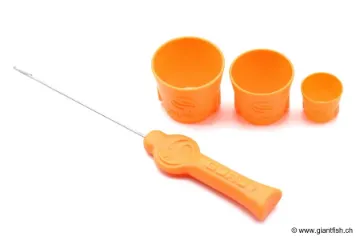
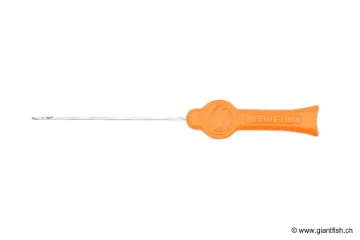
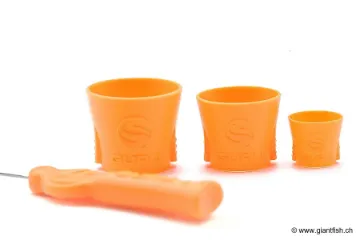
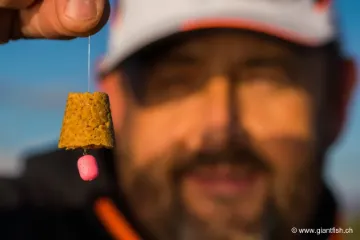
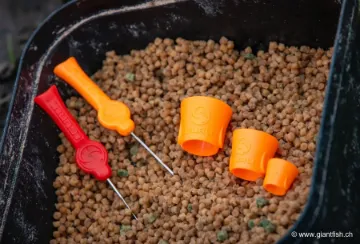
Cone à Pellets Guru Pellet Cone
Guru Pellet Cone: cones for precise bait mounting, durable accessory facilitating optimal presentation in modern fishing.
6.80 (CHF) incl tax
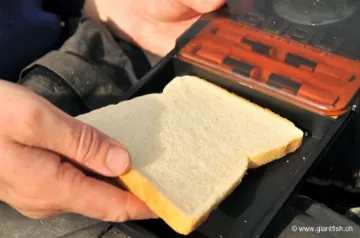
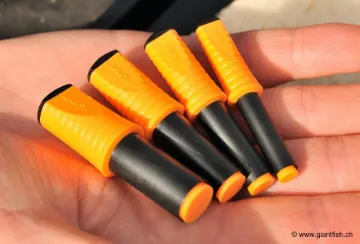
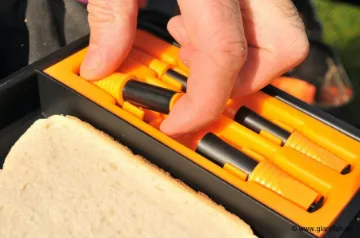
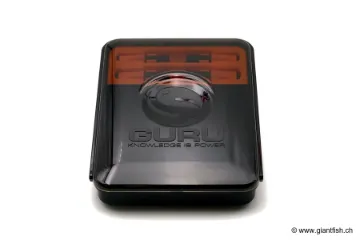
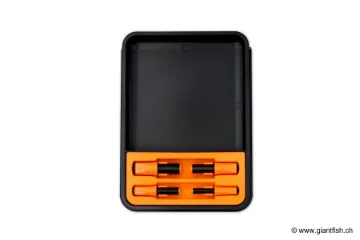
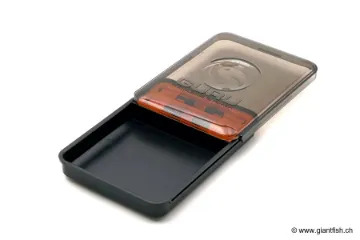
Box & 4 Punch Cutters Guru Punch Box
Guru Punch Box, a clever bait box for storing and preparing bread or meat during your fishing sessions. Accompanied by several cutters for easily cutting your bait, this punch box is designed with a translucent lid that effectively protects against weather and sun. Ideal for anglers looking for practicality and ergonomics.
26.30 (CHF) incl tax
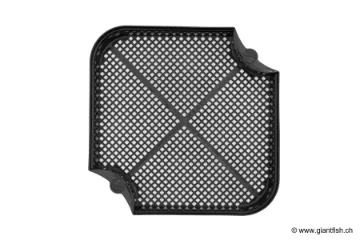
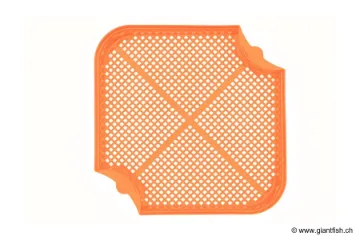
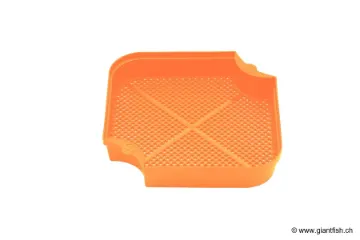
Tamis Guru Maggot Riddle
Guru Maggot Riddle Orange: an innovative, robust, and practical bait box to optimize your fishing sessions.
4.55 (CHF) incl tax
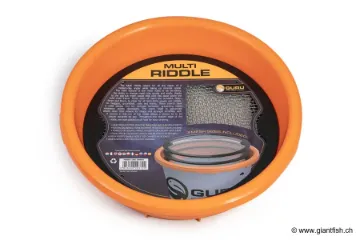
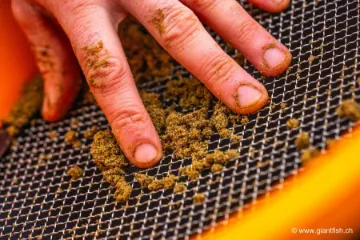
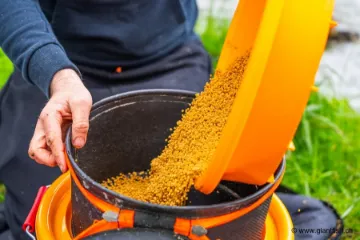
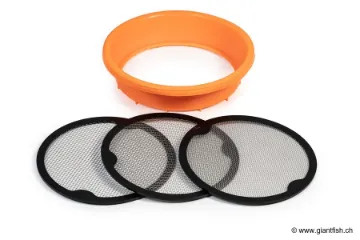
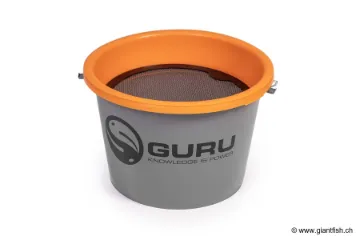
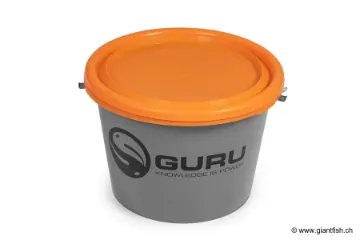
Tamis Guru Multi Riddle
Guru Multi Riddle: pro stainless steel riddle for baits and groundbait, 18L bucket compatibility, 3 meshes included.
36.35 (CHF) incl tax
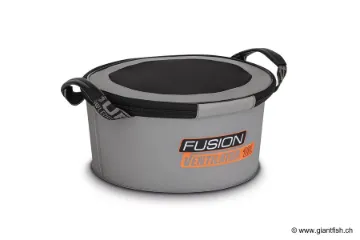
Guru Fusion Ventilator Bucket - 10 L
Guru Fusion Ventilator 10L, an innovative grey EVA bait bucket with a secure zippered lid, ideal for efficiently transporting and preserving a large volume of bait during your waterside sessions.
29.05 (CHF) incl tax
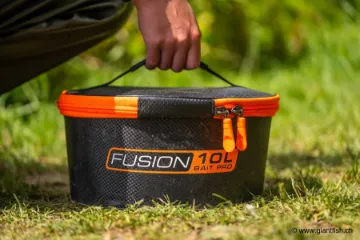
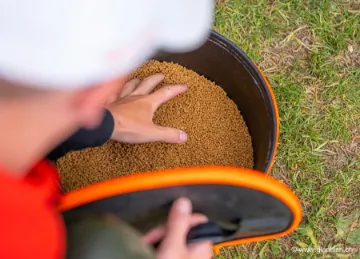
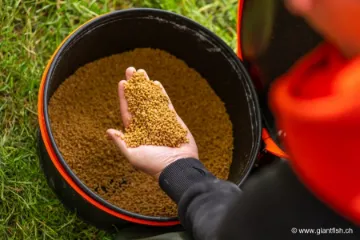
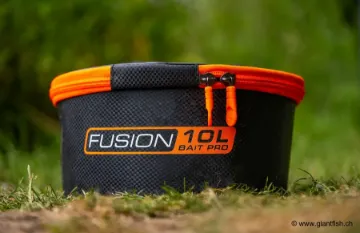
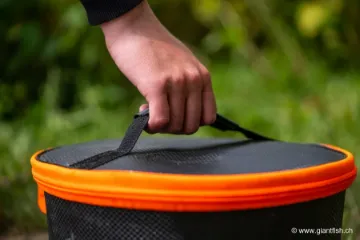
Guru Fusion Bucket - 10 l
Guru Fusion Bucket 10L: secure storage, optimal waterproofing, durability.
29.05 (CHF) incl tax
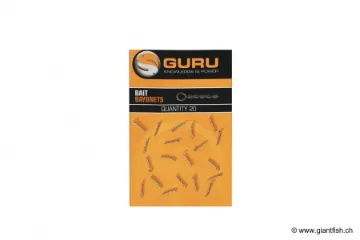
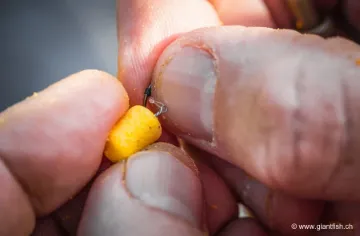
Guru Bait Bayonet Hook
Guru Bait Bayonet Clips: efficiency, versatility, and robustness for all demanding anglers.
3.20 (CHF) incl tax
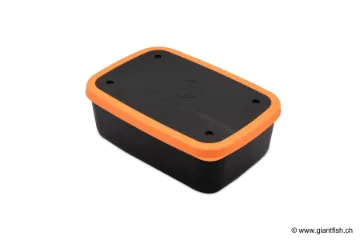
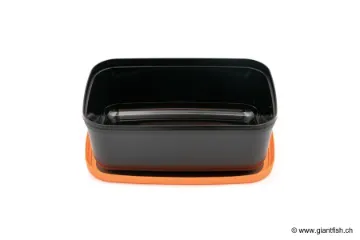
Guru Bait Box 5.3 pint Orange - 3 l
Guru Bait Box 5.3 pint Orange, ideal for efficiently storing and transporting your bait during all your fishing sessions.
5.45 (CHF) incl tax
Baits and groundbaits are at the heart of coarse and pole fishing. A well‑planned baiting strategy helps concentrate and hold fish on your swim, while also selecting the size and species you’re targeting. This category brings together everything you need to build a consistent approach, from simple base mixes to the most technical combinations.
Choosing your baits and groundbaits for coarse fishing
Before picking a groundbait, it’s important to define your fishing objective: fast fishing for small silverfish, targeting quality bream, fishing for better fish in the margins, or a more delicate approach on canals. The type of venue, depth and flow will also influence the make-up of your mix.
A successful groundbait combines several key elements: color, particle size, binding power and food content. By adjusting these, you can control how quickly the ball breaks down, how the particles spread and how long the swim remains attractive.
Main types of groundbaits and hookbaits
- Flours and dry mixes: the basis of coarse fishing groundbait, they let you create recipes tailored to every situation, from very delicate roach fishing to big bream on large stillwaters.
- Pellets and micro pellets: perfect for boosting the food value of your mix or for a more selective approach. Their progressive breakdown creates a long‑lasting attraction on the swim.
- Cooked particles: hemp, corn, wheat and other seeds are ideal for keeping fish feeding on the bottom and reducing bites from very small fish.
- Hookbaits: maggots, worms, corn, hooker pellets or mini boilies should match the particles you’re using in your groundbait.
- Liquid and powdered additives: boosters, flavors and colorants let you fine‑tune your mix according to fishing pressure and water clarity.
Winning baiting techniques
The success of a coarse fishing session depends as much on the quality of your baits and groundbaits as on how you feed them. Ideally, combine an accurate, generous initial feed with regular top‑ups adapted to the level of fish activity.
- Initial feed: a few well‑squeezed balls to create an attractive carpet on the bottom, optionally enriched with pellets or particles if you’re targeting larger fish.
- Top‑up feed: small, lighter balls or cupped-in feed to keep fish interested without overfeeding them.
- Adjusting during the session: if bites slow down, you can change the particle size, the amount of loose feed, or add an additive to kick the swim back into life.
Adapting your baiting to the seasons
Seasonal changes have a major impact on bait and groundbait choice. In cold water, opt for fine, low‑food mixes in darker colors, with few particles but rich in soluble attractants. In warm weather, fish are more active and feed harder: a richer mix containing pellets and particles will help keep better fish on the swim.
Color and particle size also play a key role. Light or slightly yellowish mixes are often used in colored water or when targeting bream, while darker groundbaits are more discreet in clear conditions. By combining fine and coarser particles, you can trigger quick bites and at the same time hold the bigger fish in your swim.
Groundbait & bait FAQ
What type of groundbait is best for beginners? A ready‑made, all‑round whitefish mix is ideal to get started. You can then tweak it with a few pellets or particles depending on your spot and target species.
How much groundbait should I use? Always match the quantity to session length, fish density and water temperature. It’s usually better to start with a little less and top up regularly with small amounts.
Should I change groundbait flavors during the session? There’s no need to use lots of different flavors on the same swim. Choose one scent suited to the season and stick with the same attraction line for the whole session so you don’t spread fish out.