

























Cookies help us deliver our services. By using our services, you agree to our use of cookies.
Filter
Filter by price
Filter by manufacturer
Recently viewed products
Landing nets
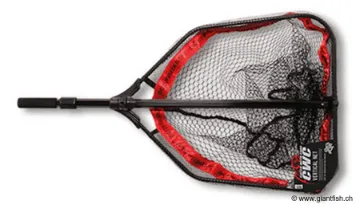
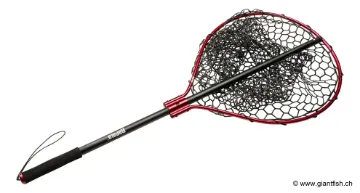
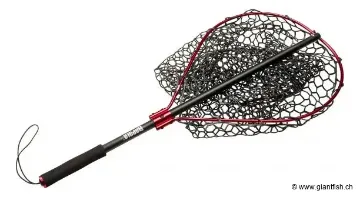
CWC Vertical Rubber Landing Net
CWC vertical landing net with knotless rubber netting, flat deep bottom, ideal for sport fishing and safe catch-and-release of your fish.
117.90 (CHF) incl tax
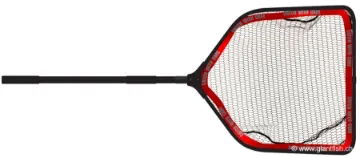
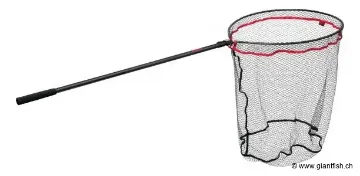
CWC Competition Pro XL Landing Net
CWC Competition Pro Competition Pro fishing landing net with knotless rubber netting, flat deep bottom, lightweight and robust aluminum frame and foldable net for intensive use and competition — ideal for fish welfare and catch-and-release.
160.00 (CHF) incl tax
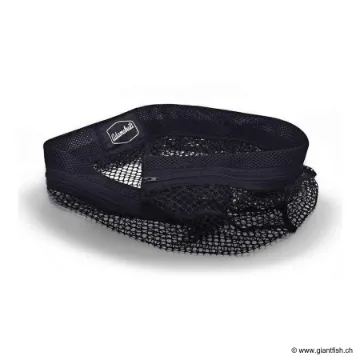
Adams Built Anti-Snag Replacement Net (56 cm RRN 22)
Durable 56 cm anti-snag replacement net for Adams Built landing nets, ideal for fishing.
32.65 (CHF) incl tax
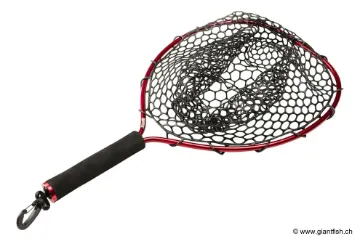
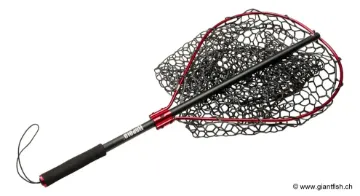
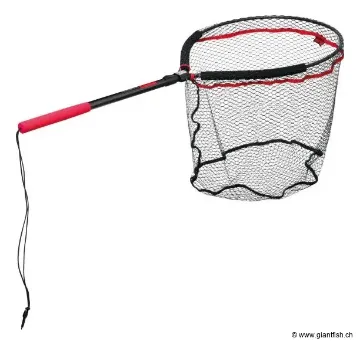
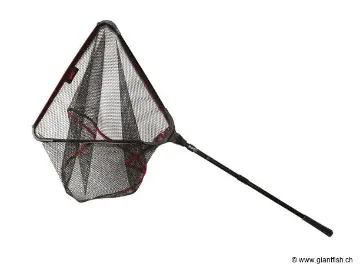
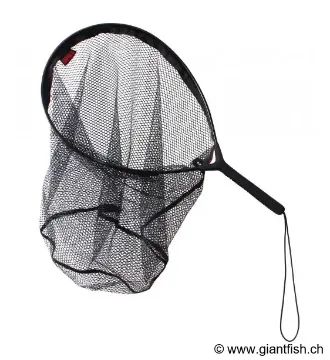
Rapala Floating Racket Landing Net
Epuisette Raquette Flottante en Aluminium Noir
26.95 (CHF) incl tax
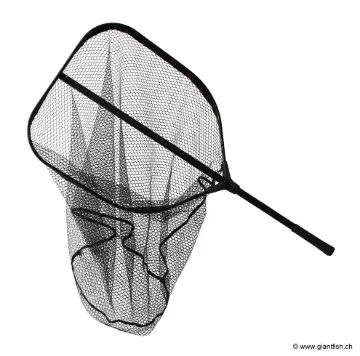
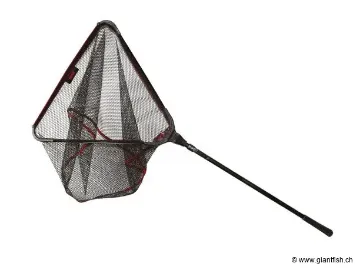
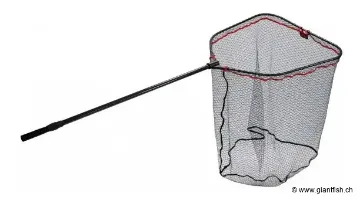
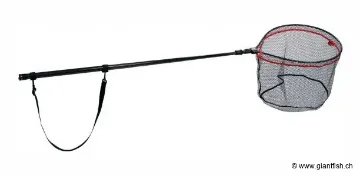
- 1
- 2
A good landing net can be the difference between losing a fish at your feet and landing it in full control. Whether you target pike, walleye, perch or bass, choosing a net that matches your technique and your fishing spot is essential to secure the fish while keeping it in the best possible condition.
Choosing your predator landing net
Selecting a predator landing net comes down to several key factors: hoop size, net depth, handle length and mesh type. A large opening makes it easier to guide the fish into the net, especially with pike or big walleye, while a more compact head is ideal for perch or fast-paced street fishing.
- Hoop size: large for big predators, more discreet for medium-sized fish.
- Net depth: a deep bag keeps the fish in the water while you unhook it.
- Handle length: adapt it to bank height, boat fishing or float-tube use.
Types of landing nets and their uses
Depending on your fishing style, some types of landing nets will suit you better than others. Boat, bank or float-tube fishing each come with different space and handling constraints.
- Boat landing net: usually a shorter but very rigid handle with a wide hoop to guide fish easily.
- Bank landing net: long or telescopic handle to reach over high banks, docks and riprap.
- Float-tube landing net: compact, lightweight and easy to handle with one hand.
- Folding or telescopic landing net: saves space in transport, ideal for hiking and urban street fishing.
Materials, mesh and fish care
The choice of mesh is crucial to limit injuries and support catch and release. Rubberized or coated mesh protects the fish's slime layer and reduces the risk of treble hooks and lures tangling in the net.
- Rubberized net: ideal for predators, limits snagging and makes releasing the fish easier.
- Fine, knotless mesh: reduces skin irritation on the fish.
- Aluminum or composite frame: a good balance between light weight, stiffness and strength.
Tips for use by the water
Using your landing net correctly improves safety for both angler and fish. Always prepare it before you set the hook: handle extended, hoop clear and easy to reach. At the end of the fight, guide the fish head first into the net without wrenching it out of the water.
- Keep the landing net ready and within easy reach throughout the session.
- Avoid lifting the fish by the handle only, especially with large predators.
- Let the fish calm down in the net, in the water, before taking photos or measuring it.
- In summer, keep time out of the water as short as possible to protect the fish.
Maintaining and transporting your landing net
Regular care extends the life of your landing net and helps prevent bad odors. Rinse it after every trip, especially if you fish stillwaters or slightly brackish water, then let it dry completely.
- Rinse the mesh and frame with clean water after fishing.
- Let it air-dry, away from excessive heat.
- Check fittings, joints and telescopic sections regularly.
- For transport, choose folding or telescopic models to save space.
FAQ – Predator landing nets
What size landing net should I choose for pike and walleye? For bigger predators, go for a wide hoop with a deep net bag. This makes netting easier and reduces the risk of break-offs right at the bank or boat.
Rubberized mesh or standard nylon? Rubberized or coated mesh is highly recommended for modern predator fishing: it protects the fish better and helps prevent hooks from tangling in the net.
Is a folding landing net strong enough? Modern folding or telescopic landing nets offer good durability when used within their intended limits. Simply avoid lifting very large fish only by the handle, even with reinforced models.