




























Cookies help us deliver our services. By using our services, you agree to our use of cookies.
Filter
Filter by price
Filter by manufacturer
Recently viewed products
Luggage
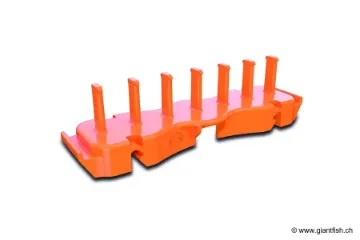
Accessoire Boîte Bas de Ligne Guru Adjustable Rig Case Spare Peg
Guru Adjustable Rig Case Spare Peg: essential accessory for secure storage of your fishing rigs.
3.65 (CHF) incl tax
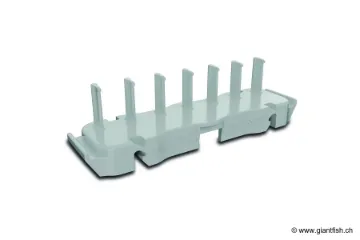
Accessory Adjustable Rig Box Guru Hook Point for Rig Cases
Guru Hook Point: essential accessory for hook boxes. Optimize storage and safety of your fishing rigs with Guru's reliability. Optimal organization for every angler.
3.65 (CHF) incl tax
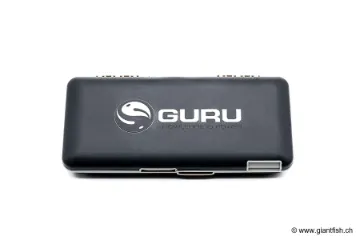
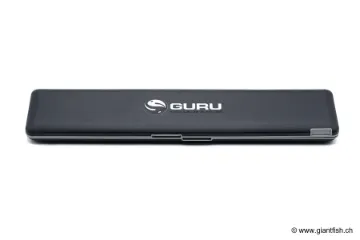
Guru Stealth Rig Case Box
Guru Stealth Rig Case 6 inch: compact, waterproof, and easy-to-organize rig box
14.55 (CHF) incl tax
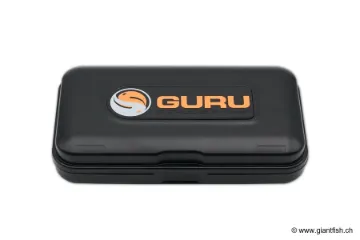
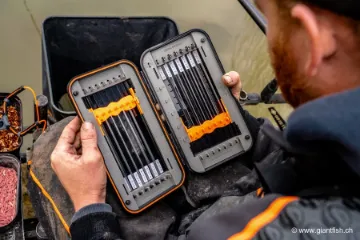
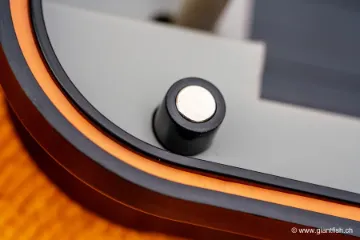
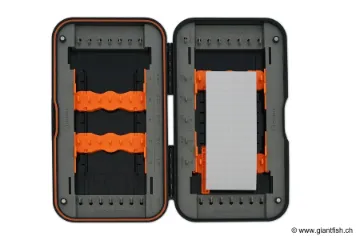
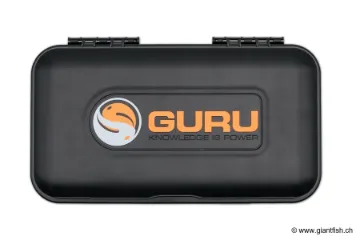
Guru Adjustable Rig Case Line Box
Guru Adjustable Rig Case 6inch: versatile and robust rig box, ideal for effectively organizing and protecting set-ups for rod fishing, waggler, or Method Feeder thanks to its adjustable design and exceptional capacity.
29.05 (CHF) incl tax
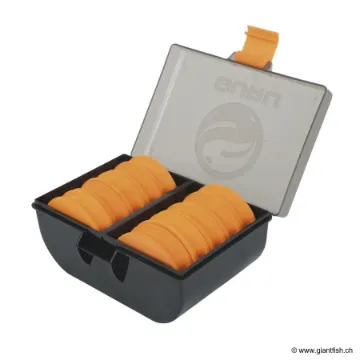
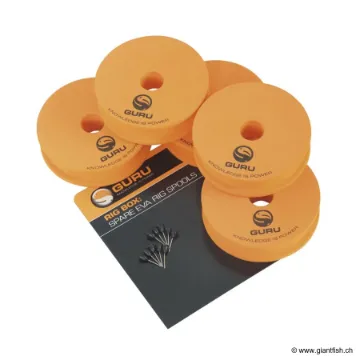
Guru Rig Box Line Case
Guru Rig Box, innovative storage solution for fishing rigs. Keep your line rigs organized, protected, and ready for use!
8.20 (CHF) incl tax

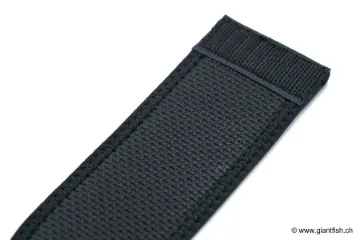
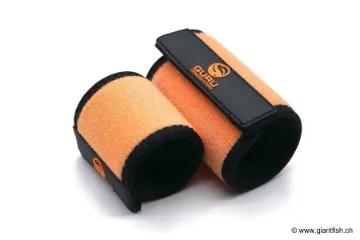
Guru Rod Bands Holder
Guru Rod Bands: premium protection bands for fishing rods, combining soft neoprene, optimal visibility with bright orange color, and practical velcro closure, ensuring the security and stability of fishing equipment during transport.
12.70 (CHF) incl tax
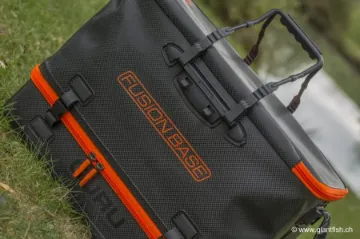
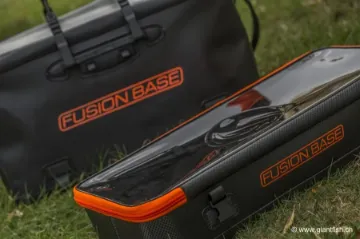
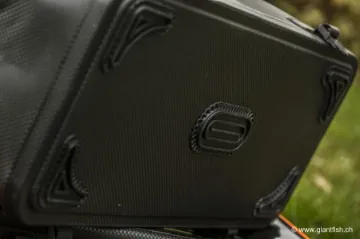
Sac Carryall Guru EVA Fusion Base
Guru EVA Fusion Base Carryall MKII: ultra-durable transport bag, ideal for efficiently organizing your fishing equipment, offering optimal storage capacity, two practical compartments, reinforced base, removable straps, and superior strength for a professional fishing experience signed by Guru.
89.95 (CHF) incl tax
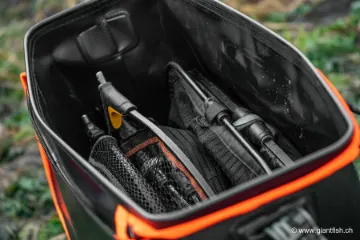
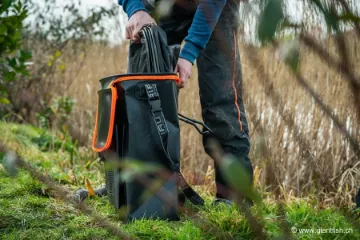
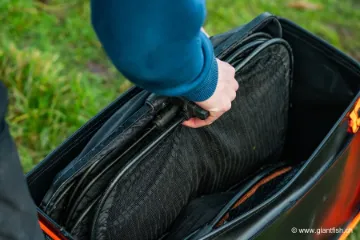
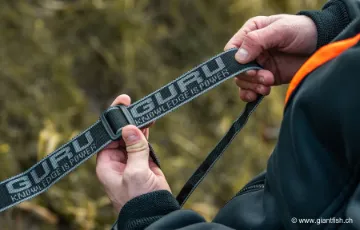
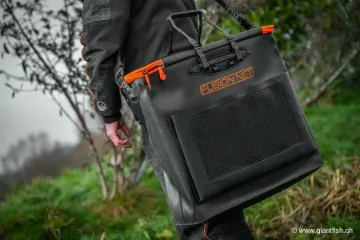
Sac à Bourriche Guru EVA Fusion Net Bag
Waterproof Guru EVA Fusion Net Bag MKII for storing nets and accessories, versatile and robust.
71.80 (CHF) incl tax
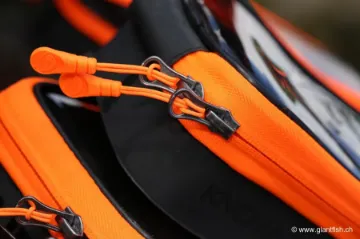
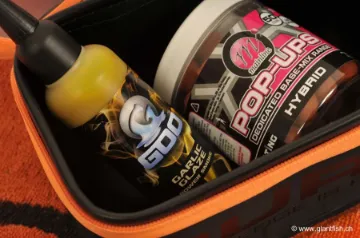
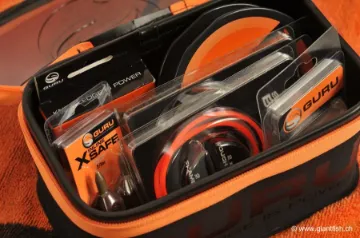
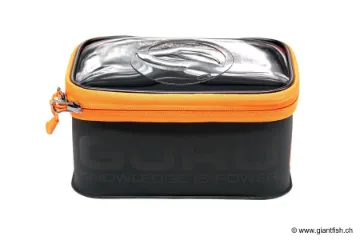
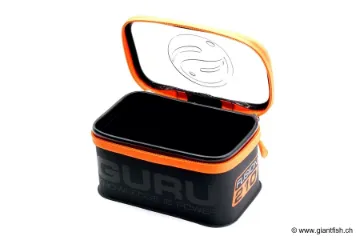
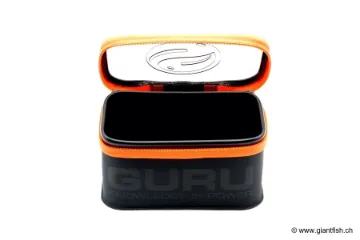
Guru Fusion 210 Extra Small Accessory Box
Guru Fusion 210 Extra Small, ultra-durable EVA box for fishing accessories. Optimized storage, easy to clean and very durable.
15.45 (CHF) incl tax
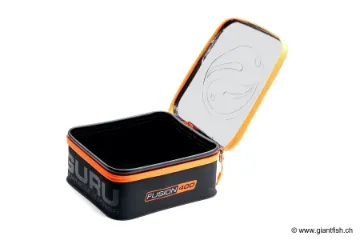
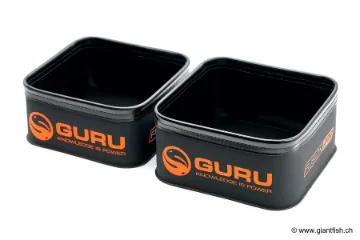
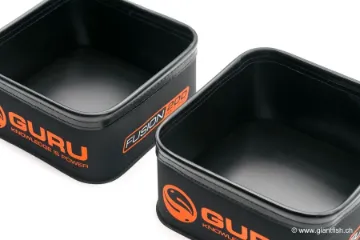
Guru Fusion Bait Pro 200 + 300 Combo Accessory Box
Guru Fusion Bait Pro 200 + 300 Combo, high-performance and durable storage solution for bait and small fishing accessories.
15.45 (CHF) incl tax
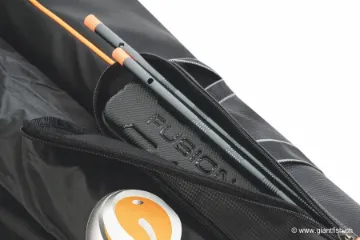
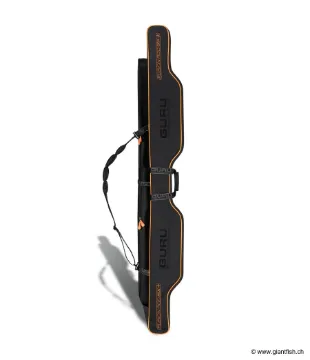
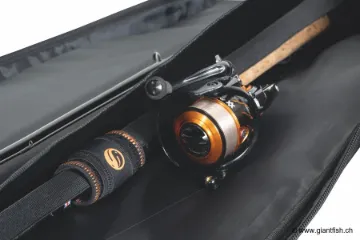
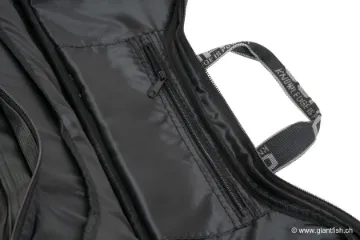
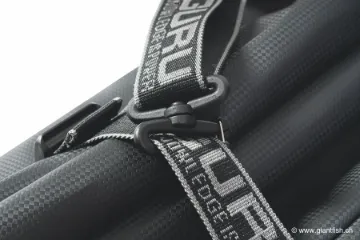
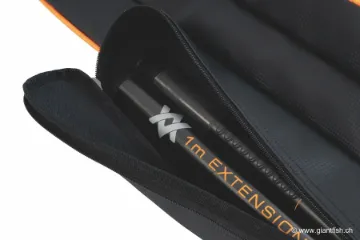
Guru Fusion Rod Holder 6 Plus - 8 Compartments
Guru Fusion Rod 6 Plus Rod Holder: Ultra-compact, highly protective cover, ideal for transporting multiple fishing rods and essential accessories.
181.70 (CHF) incl tax
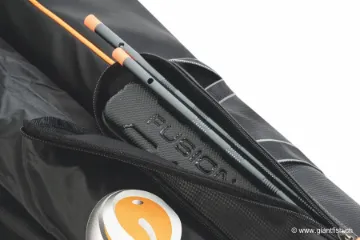
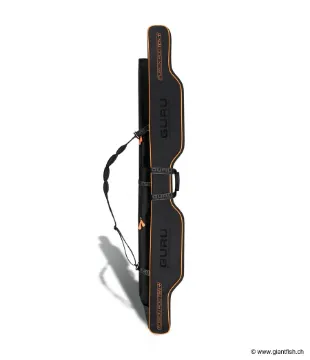
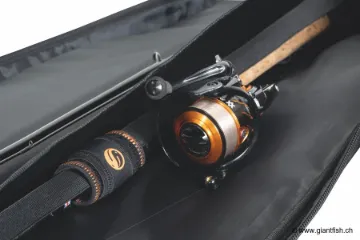
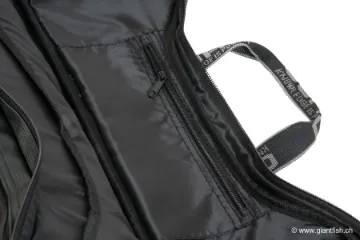
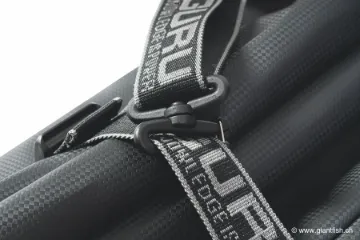
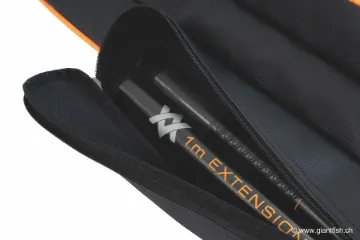
Guru Fusion Rod 10 Plus Holdall - 8 compartments
Guru Fusion Rod 10 Plus: innovative transport holdall for multiple set-up rods, optimal protection, accessory pockets, ultra-durable.
217.10 (CHF) incl tax
Well-chosen pole fishing luggage is the difference between a quick, efficient set-up and a messy, disorganized peg. Bags, holdalls, sleeves and cases protect your gear, make transport easier and save you time on the bank.
How to choose your pole fishing luggage
Start by thinking about how you fish. A roving pole angler will favor compact, lightweight bags, while someone who fishes long sessions will look for more spacious, reinforced models. Fishing luggage generally falls into several families:
- Holdalls for pole rods: to carry poles, top kits, landing net handles and banksticks safely.
- Bags for keepnets and landing nets: often lined and waterproof to contain moisture and odors.
- Accessory bags: for tackle boxes, small parts, floats, ready-tied rigs and tools.
- Bait and groundbait bags: designed to carry soil, groundbait mixes and live baits.
Organizing your gear on the bank
Good fishing luggage should let you find each item in a few seconds. Look for bags with separate compartments, external pockets and strong zippers. Sort by type: one bag for baits, one for rig-making accessories, one for clothing and rain gear.
- Use dedicated pockets for delicate ready-tied rigs and floats.
- Keep one easily accessible compartment for tools you use all the time.
- Always store wet items (keepnets, landing nets) in bags designed for that purpose.
Protection, comfort and durability
Luggage is not just about storage. It also protects your tackle investment. Choose fabrics that resist abrasion, reinforced stitching and quality zippers. Padded shoulder straps and adjustable carry straps improve comfort when walking along the bank.
- Rigid or semi-rigid holdalls to protect poles and top kits.
- Reinforced bases to handle the weight of boxes and groundbait.
- Water-repellent or fully waterproof materials to cope with rain and splashes.
Luggage and fishing seasons
Your needs change with the seasons. In cold or wet weather, waterproof and easy-to-clean bags are a priority to avoid lingering damp. In warmer months, you will look more for ventilation in compartments and quick drying for nets and keepnets.
- Winter and mid-season: prioritize waterproof materials and quick access to warm clothing.
- Spring and summer: focus on ventilated bags for wet gear.
- Competition: highly organized luggage helps you manage rapid changes of rigs and baits.
Pole fishing luggage FAQ
What size holdall should I choose for my pole rods?
Pick a holdall that matches the maximum length of your poles and top kits, with a bit of extra room for protective tubes. Also allow space for landing net handles and banksticks.
How do I care for my fishing luggage?
Rinse regularly any bags that come into contact with water and bait, let them dry completely before long-term storage and check zippers and stitching at the start of each season.
Is a waterproof bag essential?
It is not compulsory, but a waterproof or highly water-repellent bag is strongly recommended if you often fish in the rain or carry tackle and spare clothing.
How many bags do I need to be properly equipped?
Two to three well-designed bags are often enough: one for poles and long items, one for accessories and bait, and possibly one dedicated to clothing and rain gear.