











Cookies help us deliver our services. By using our services, you agree to our use of cookies.
Filter
Filter by price
Filter by manufacturer
Recently viewed products
Fishing Lines & Leaders
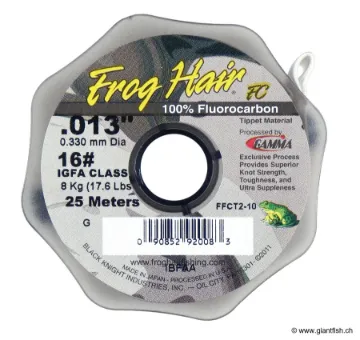
Fluorocarbon FROG HAIR
Frog Hair FLUOCARB fluorocarbon line for sport fishing — stiffer than traditional Frog Hair, offering excellent knot strength, fast sinking and high invisibility for high-performance leaders.
15.85 (CHF) incl tax
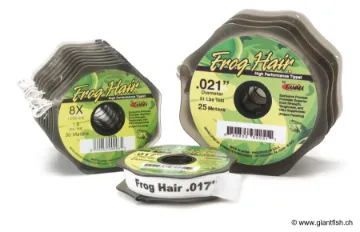
Nylon FROG HAIR
Premium FROG HAIR fishing line — discreet, supple and highly elastic, ideal for light freshwater fishing and technical leaders.
8.80 (CHF) incl tax
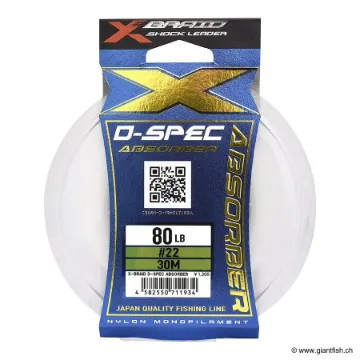
Nylon XBraid D-Spec Absorber X027
XBraid D-Spec Absorber - Ultra strong nylon 140LB, ideal for leader line.
16.35 (CHF) incl tax
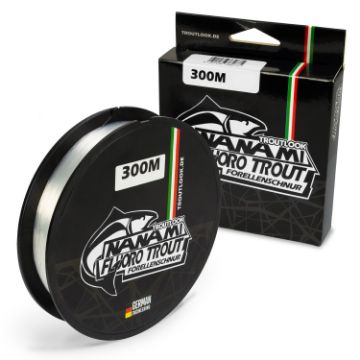
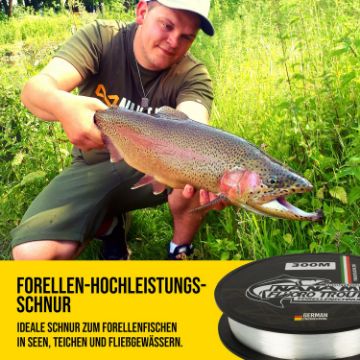
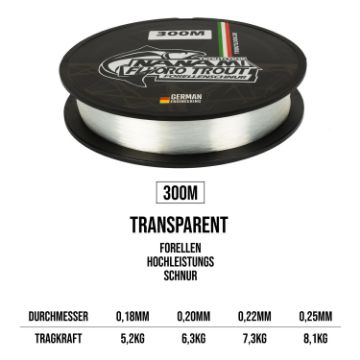
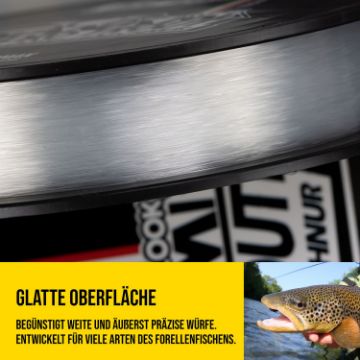
Troutlook Nanami Fluoro Trout Clear Fishing Line
Fil de pêche à haute performance Forellen Made in Europe by Troutlook
6.80 (CHF) incl tax
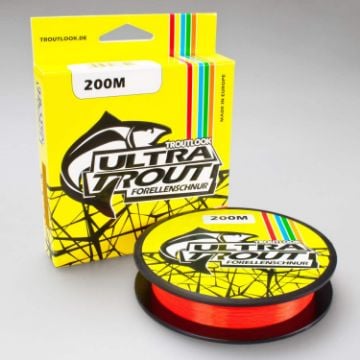
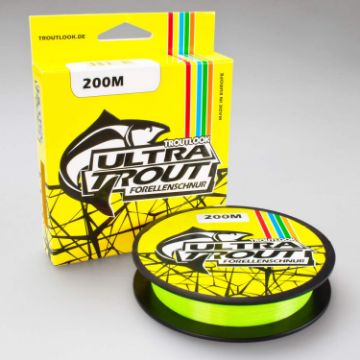
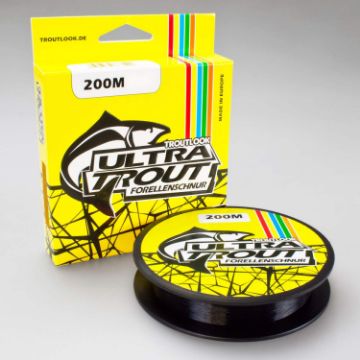
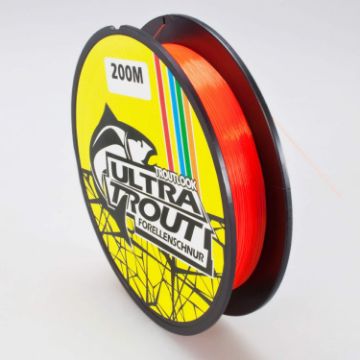
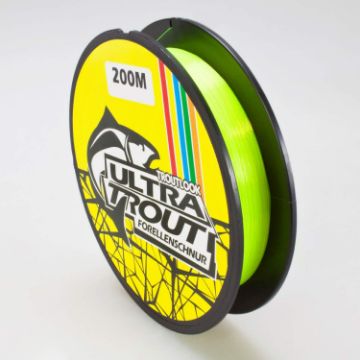
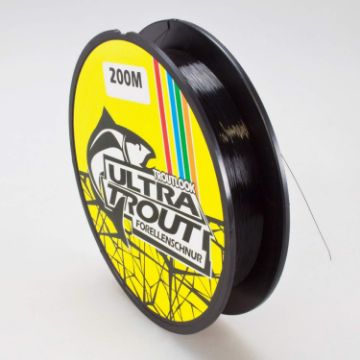
Troutlook Ultratrout Neon Yellow Fishing Line
Fil de pêche Troutlook Ultratrout - jaune fluo
2.95 (CHF) incl tax
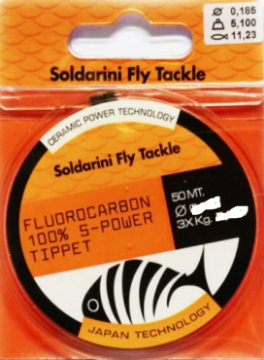
Soldarini S-Power 100% Fluorocarbon 0.201 mm – 50 m
Diamètre 0.201
Longueur 50 mètres
Poids 5.950 kg
20.00 (CHF) incl tax
16.90 (CHF) incl tax
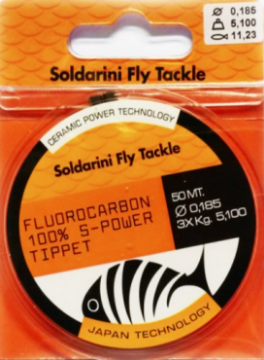
Soldarini S-Power 100% Fluorocarbon 0.185 mm – 50 m
Diamètre 0.184
Longueur 50 mètres
Poids 5.100 kg
20.00 (CHF) incl tax
16.65 (CHF) incl tax
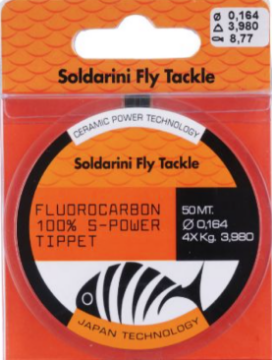
Soldarini S-Power 100% Fluorocarbon 0.164 mm – 50 m
Diamètre 0.164
Longueur 50 mètres
Poids 3.980 kg
20.00 (CHF) incl tax
16.25 (CHF) incl tax
Choosing the right line for trout
Selecting the right line is crucial for successful trout fishing. Depending on your technique, you might favor a supple nylon line for toc-style and bombette fishing, a fine braided line for lure fishing, or a discreet fluorocarbon for sensitive rigs.
Match the diameter to fish size and obstacles: go finer in clear water with pressured fish, and stronger when facing powerful current, rocks, or branches. The right balance of linear strength and abrasion resistance helps prevent break-offs while keeping a natural presentation.
Leaders: stealth and presentation
The leader connects your main line to the hook or lure. Its role is to provide stealth, freedom of movement, and protection against abrasion. In clear rivers, a fluorocarbon leader is often preferred for its near invisibility underwater and controlled stiffness.
- Length: use a short leader in snaggy areas, and a longer one for wary fish.
- Diameter: adjust it relative to the main line to maintain a controlled breaking point.
- Rigs: branch leaders, droppers, side arms, or tapered leaders depending on the technique you use.
Adapting your rigs to the seasons
In spring and early summer, water is often higher and colored: a slightly stronger line gives better control of the fish and your drifts. In summer and low-water periods, opt for finer lines and longer leaders to keep a stealthy approach.
In fall, when trout feed actively, you can slightly increase diameters to fish faster and use heavier lures. Always adjust your setups to current, wind, and water clarity to keep the best compromise between strength and finesse.
Usage and maintenance tips
Change your leaders regularly and check the condition of your line over the last few yards, especially after a snag or a fight. Do not hesitate to cut off any damaged section showing wear marks or abrasion.
Store your spools of line away from heat and direct sunlight. On the water, avoid line twist by matching swivel size to your setup and controlling tension during the cast. On GiantFish.ch, you will find lines and leaders suited to all your trout fishing styles.
FAQ – Trout line & leaders
What line diameter should I use for trout? On medium-sized rivers, a main line between 0.16 and 0.22 mm works for most situations. The leader is usually slightly finer to gain in stealth.
What leader length should I use? For lure fishing, 24 to 40 in (60 to 100 cm) is often enough. For toc-style or nymph fishing, leaders can extend to several meters depending on water clarity and fish wariness.
Do I always need fluorocarbon for leaders? No, nylon remains very versatile and budget-friendly. Fluorocarbon brings an advantage in stealth and abrasion resistance in clear or heavily pressured waters.