
























Cookies help us deliver our services. By using our services, you agree to our use of cookies.
Filter
Filter by price
Filter by manufacturer
Fishing Boats & Vessels
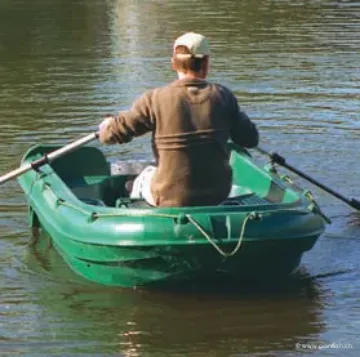
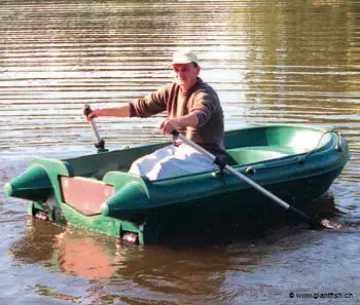
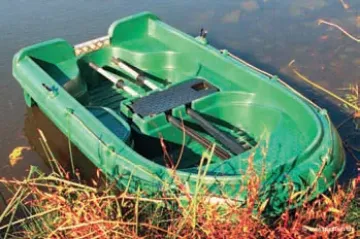
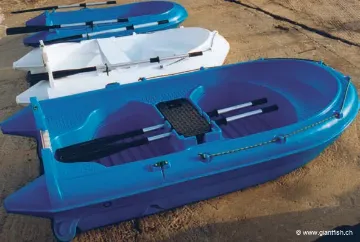
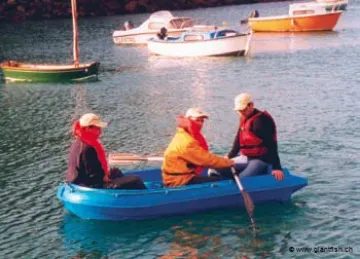
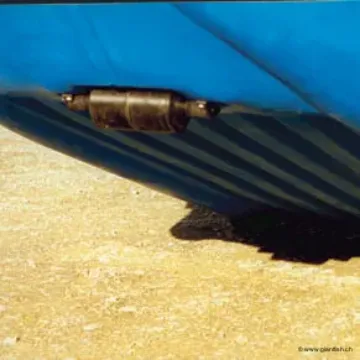
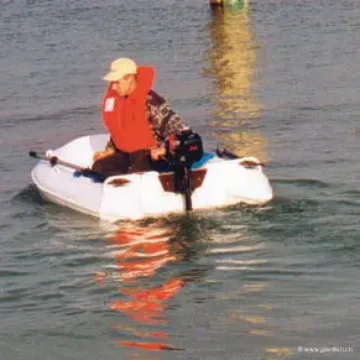
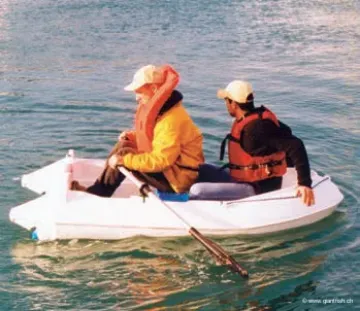
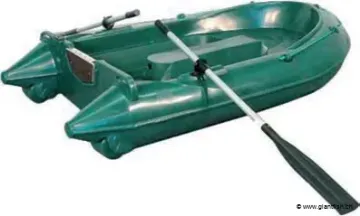
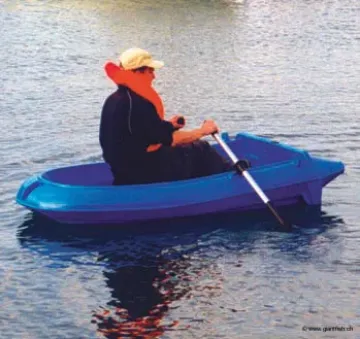
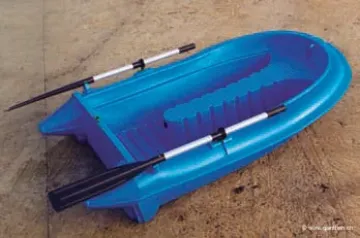
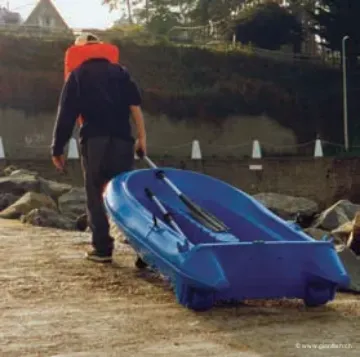
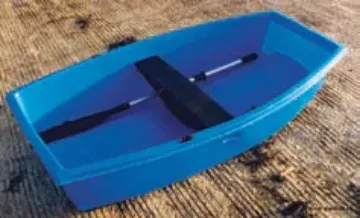
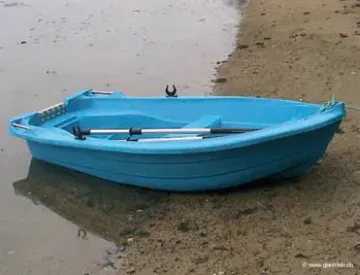
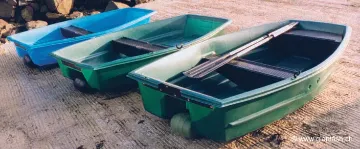
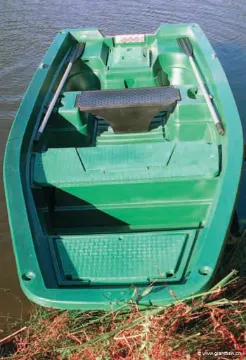
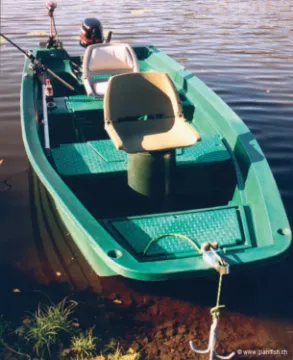
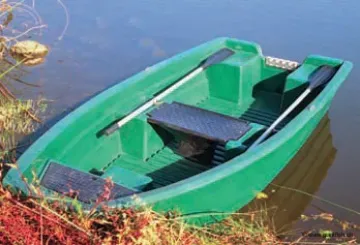
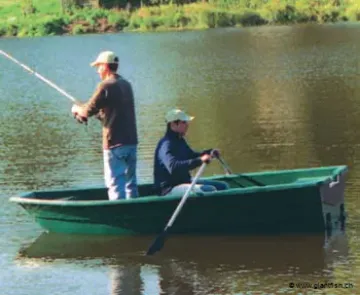
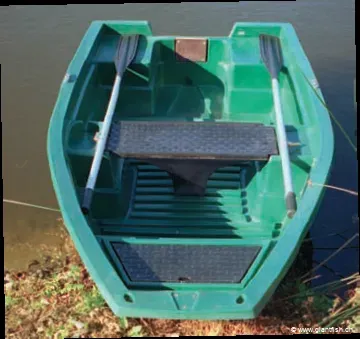
Armor Aviron Le Marsouin Dinghy
Le Marsouin: embarcation compacte pour deux personnes
378.05 (CHF) incl tax
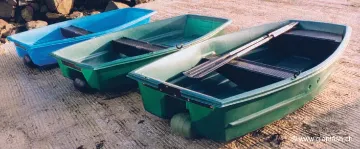
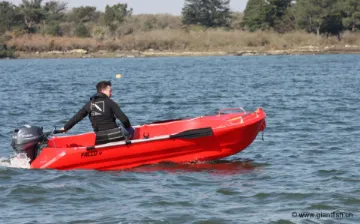
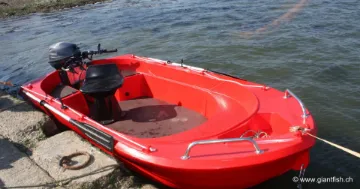
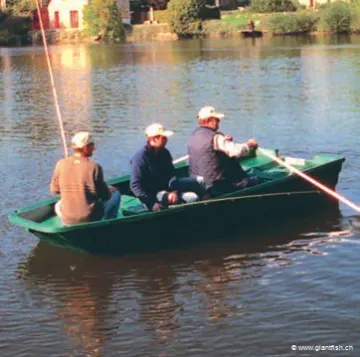

How to choose the right fishing boat or jon boat
The right fishing boat or jon boat completely changes your comfort on the water. Your choice will mainly depend on the type of water, distance you need to cover, how often you go out, and how many anglers will be on board. The goal is to find the ideal balance between stability, weight, load capacity and ease of transport.
Before buying, clearly define your main use: occasional or regular trips, fishing on calm water or in windy areas, fishing close to the bank or covering large open areas. These factors will help you select a boat that really fits your needs.
The main types of fishing boats & jon boats
There are several major families of fishing boats and jon boats, each with its own specific advantages.
- Rigid jon boat: very stable, ideal for fishing while standing and carrying bulky gear. Well suited to lakes and slow-moving rivers.
- Aluminum fishing boat: light, tough and durable, perfect for intensive use and frequent launching.
- Inflatable fishing boat: compact when folded, easy to store and transport in a car trunk, ideal if you are short on space.
- Small motorized boats: faster for covering large areas, they are popular for vertical jigging, trolling or prospecting with a fish finder.
Also think about practical details: gunwale height, bottom width for stability, presence of benches, reinforcements for electric or gas motors, and attachment points for accessories.
Must-have accessories on board
Once you have chosen your fishing boat or jon boat, the gear you carry on board makes all the difference for fishing efficiently and safely. Some accessories are almost essential if you want to get the most out of your time on the water.
- Electric trolling motor for quiet, precise movements, ideal for sneaking up on spots without spooking fish.
- Fish finder for fishing boats to read bottom contours, locate drop-offs and find fish more quickly.
- Anchor and mooring line to hold your position perfectly on a spot despite wind or current.
- Seats and cushions to improve comfort on long sessions, giving you a stable seated position for casting or still fishing.
- Storage and rod holders to keep the boat tidy, reduce snags and protect your gear.
Don’t forget basic safety equipment: a personal flotation device (life jacket), a first aid kit and a flashlight or light if you leave early or come back late.
Boat fishing techniques and seasonality
Fishing boats and jon boats give you access to areas that are often unreachable from shore. In spring and fall they let you follow fish as they move along shorelines and shallow flats. In summer it becomes easier to target deeper areas and offshore drop-offs.
Depending on the season and the species you’re after, you can practice casting, vertical jigging, slow trolling, drop shotting or live bait fishing. A good boat makes controlled drifts easier, speeds up spot changes and helps you work structure precisely based on what you see on your fish finder.
Always adapt your boat speed, drift angle and the way you anchor to present your lures or baits as naturally as possible.
FAQ - Fishing boats & jon boats
What size fishing boat should I choose?
For one person with minimal gear, a small compact boat is enough. From two anglers upward, or if you carry a lot of equipment, choose a longer and wider model to gain stability.
Do I need a motor to fish effectively from a boat?
A motor isn’t mandatory, but an electric motor makes moving around, controlling drifts and correcting your position much easier. It also lets you stay quiet and discreet on productive spots.
How do I maintain my fishing boat or jon boat?
Rinse the hull and accessories regularly, let everything dry thoroughly before storage and check the condition of all fittings, floors and valves for inflatable models. Regular maintenance extends the life of your boat.